
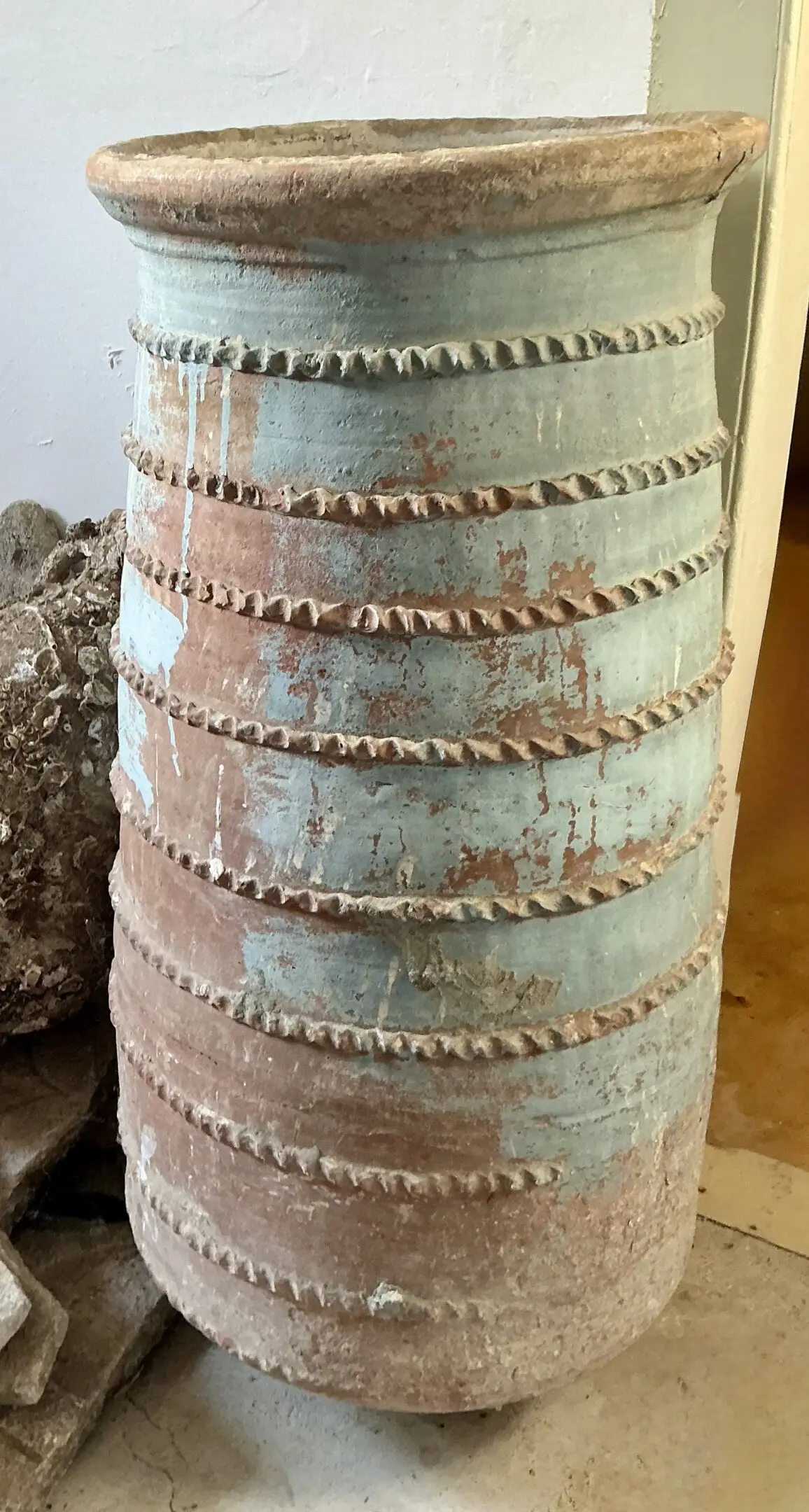
Ancient pitcher.
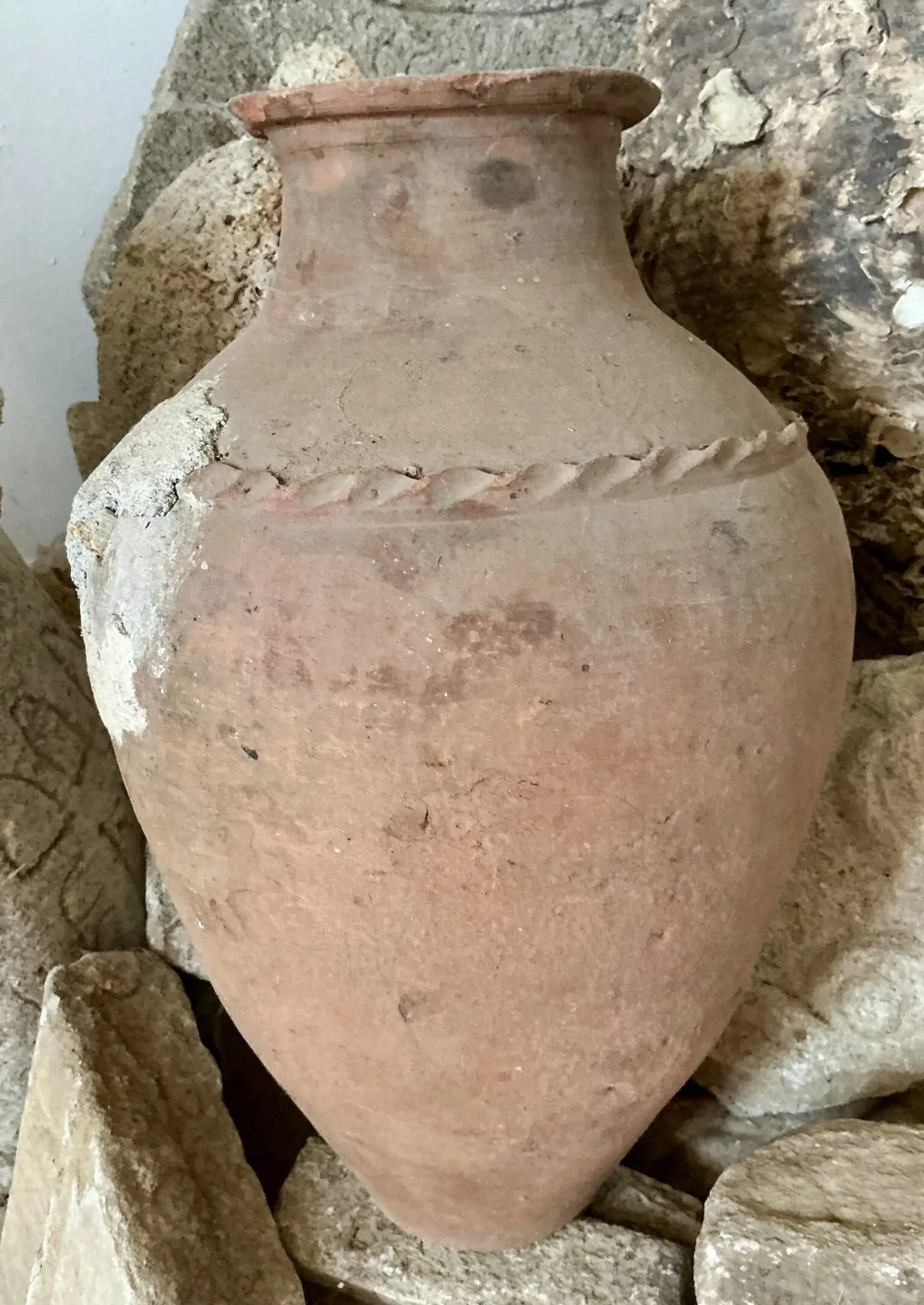
Pitcher.

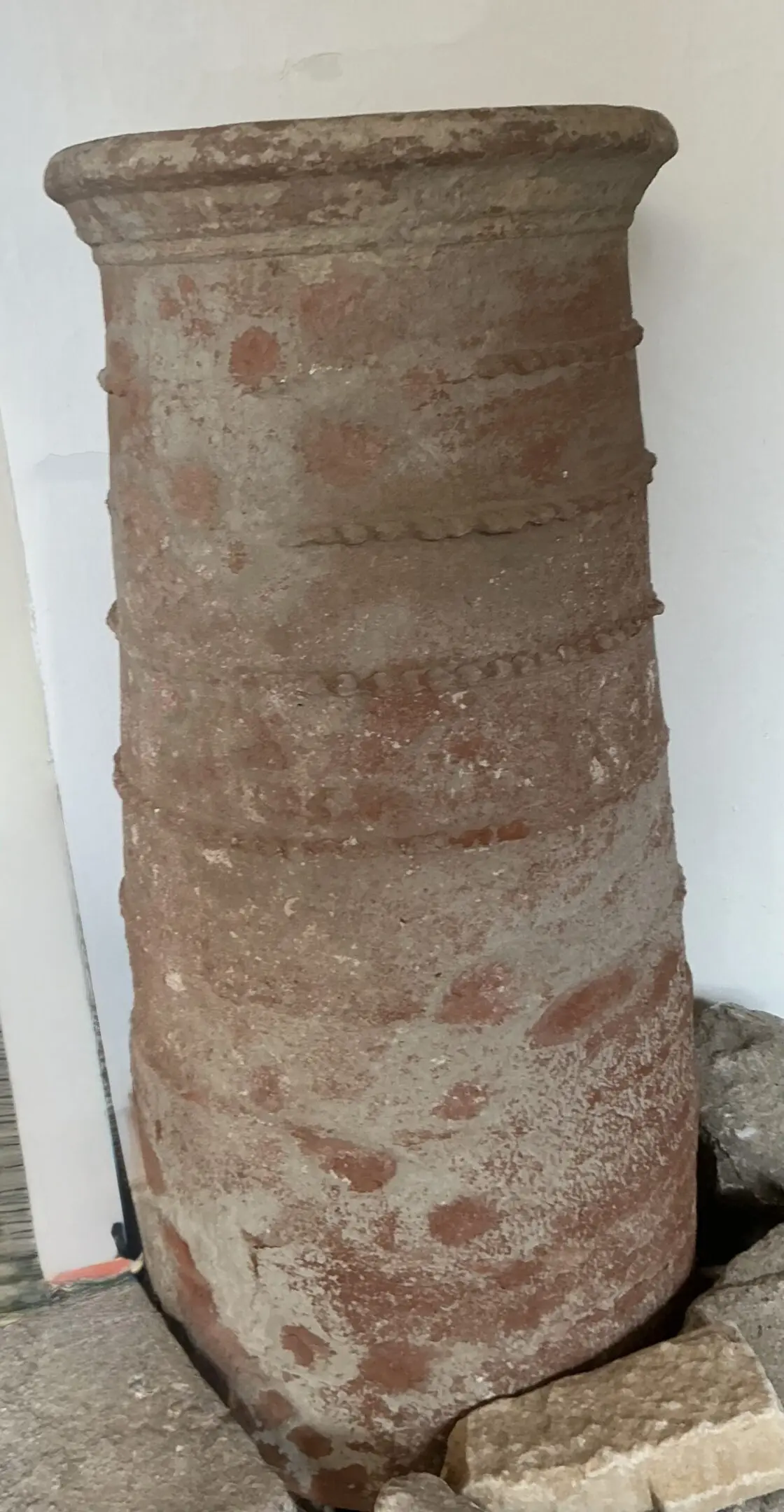
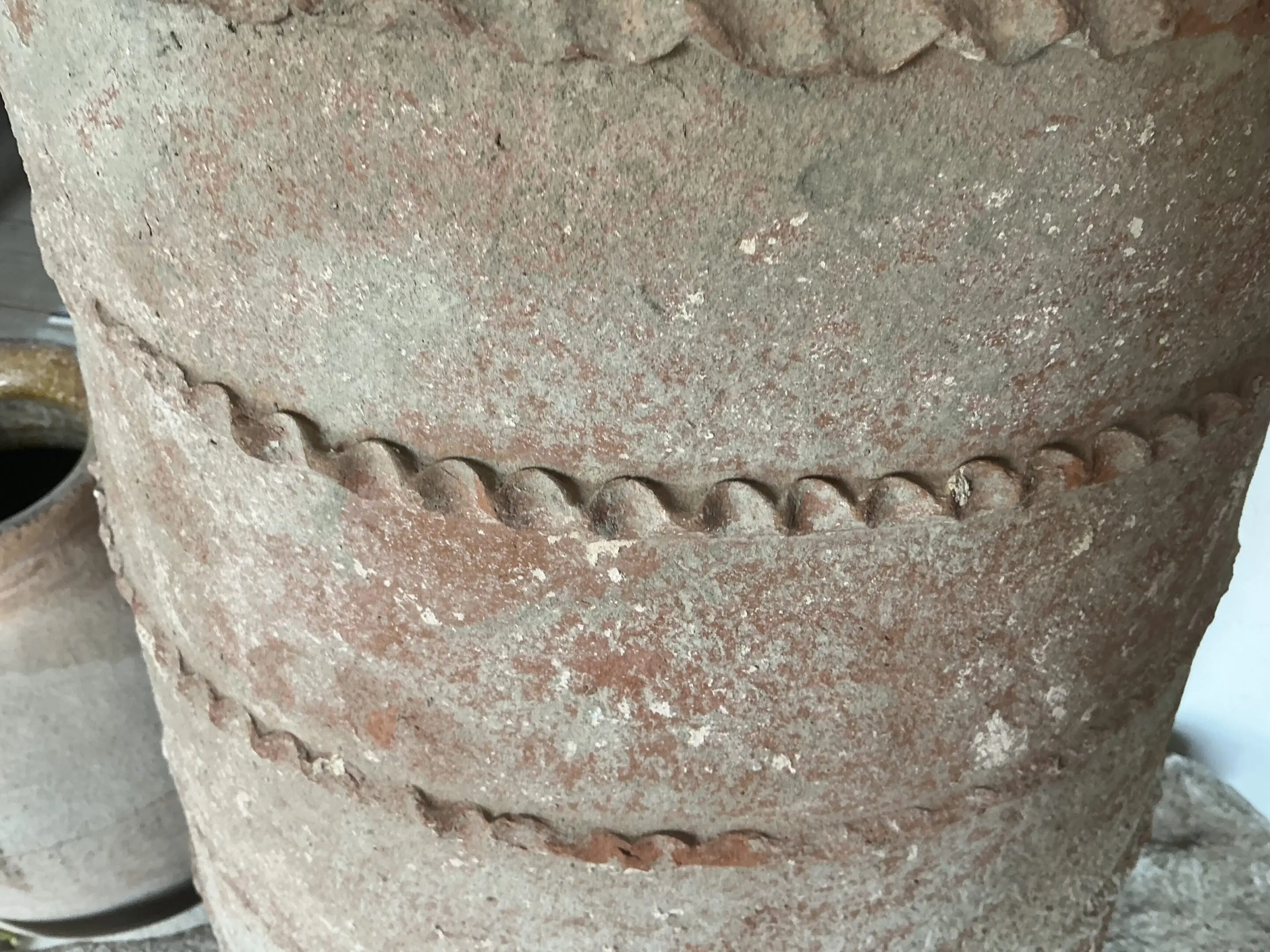
Ancient pitcher.
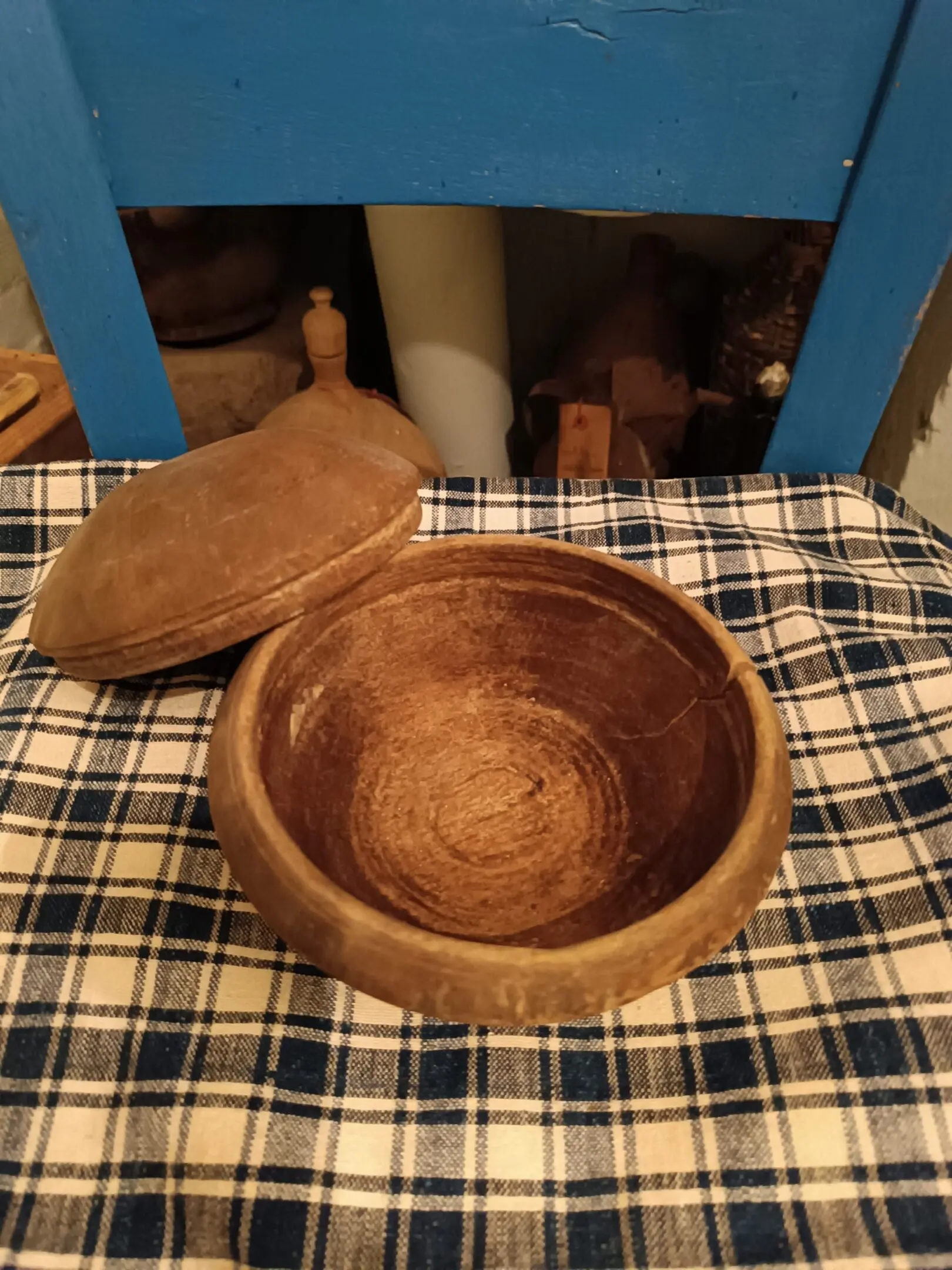
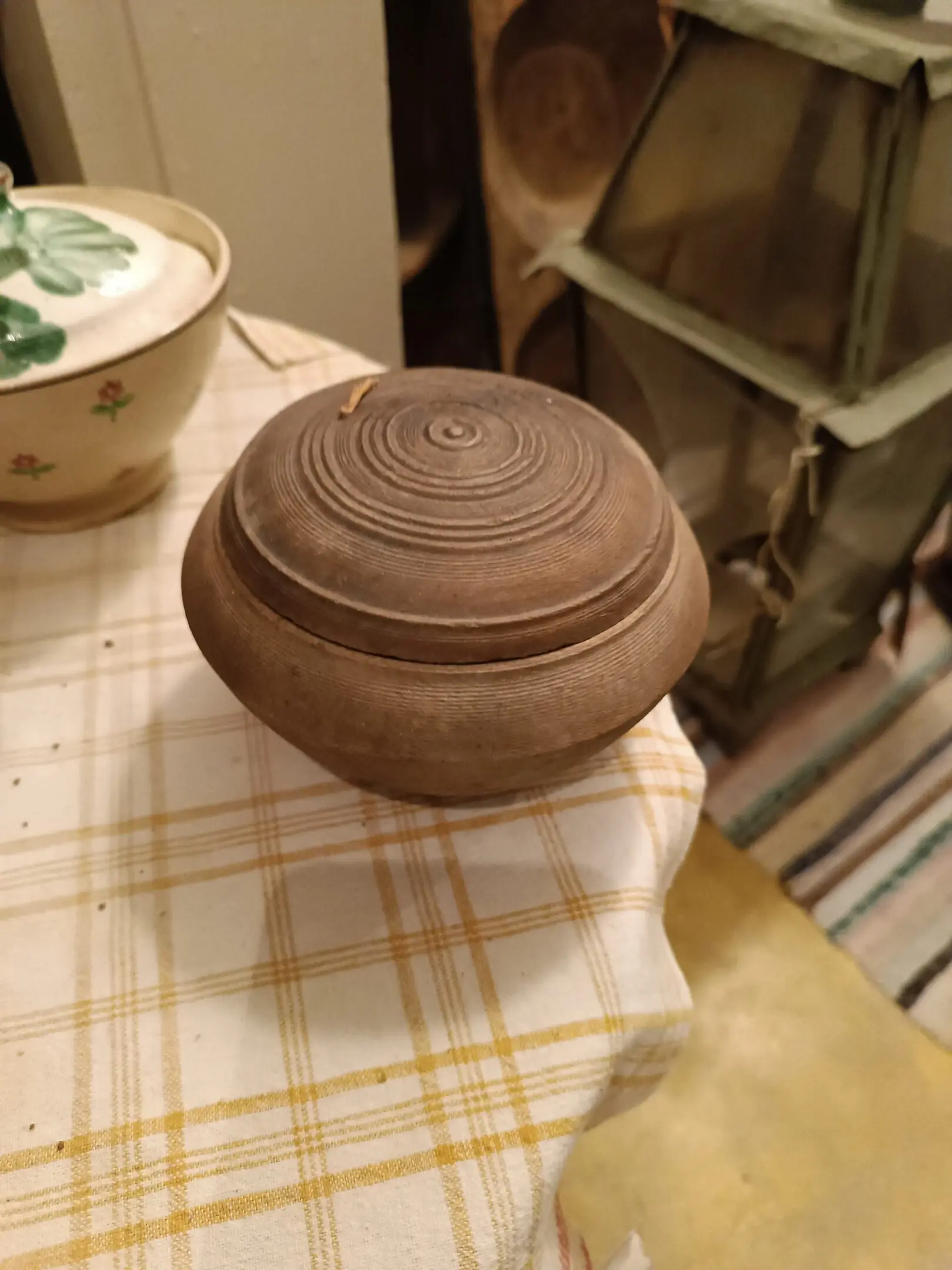
Napous
A wooden storage utensil used primarily for the storage of black and green olives, and white cheese (feta.)
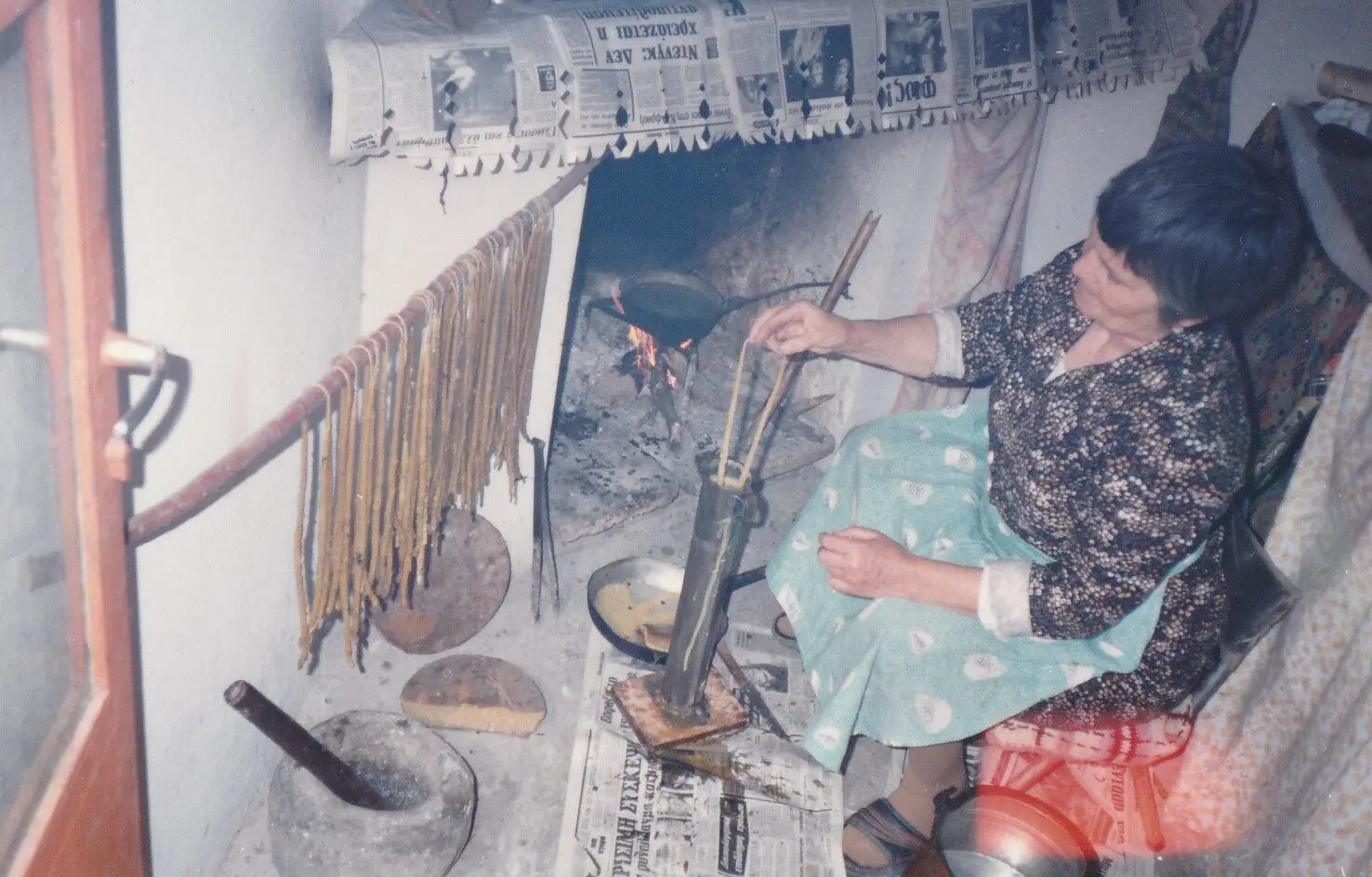
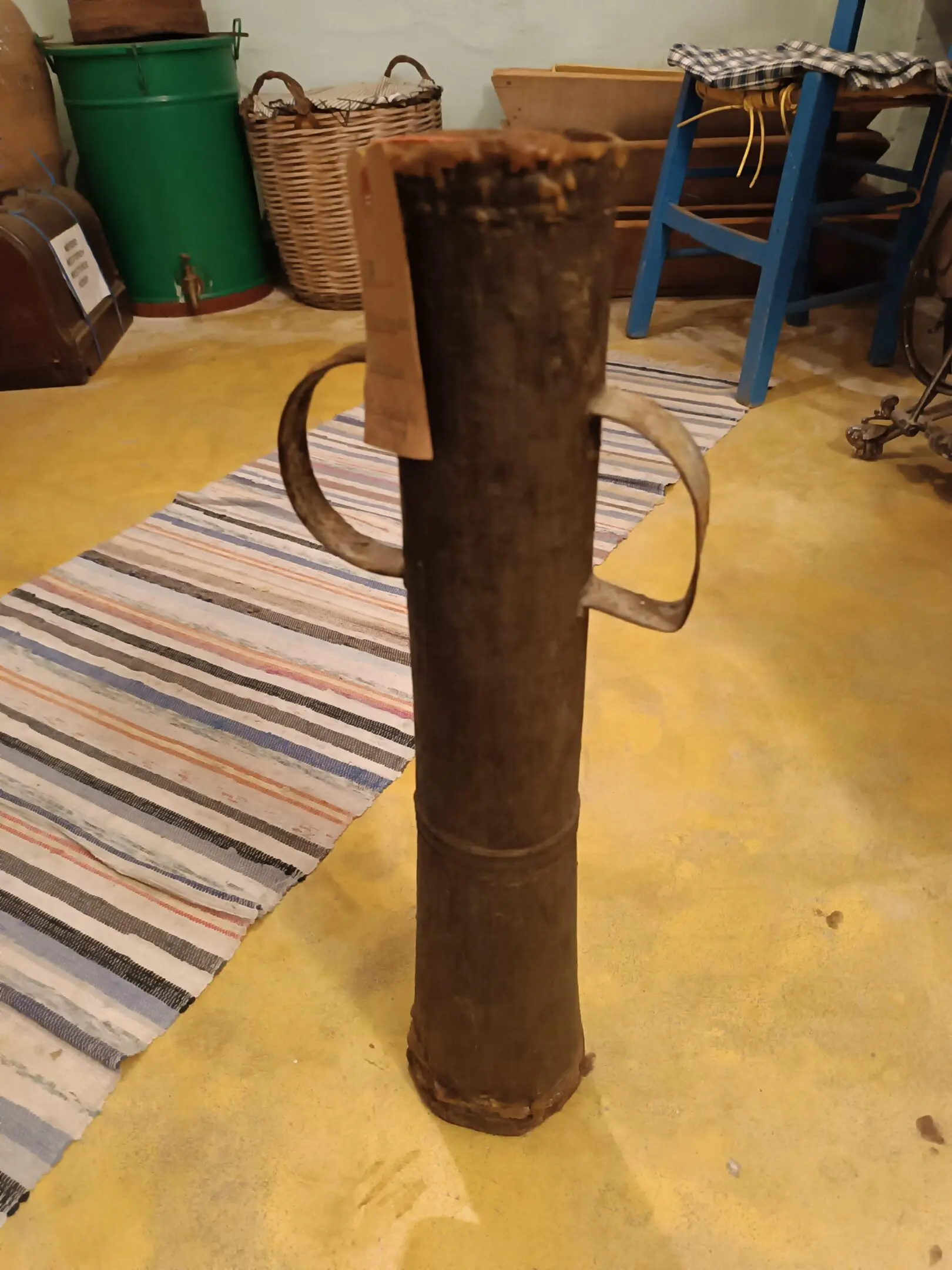
Tsiroukmas
This iron vessel was made by the village blacksmiths and used to make candles for home and church.
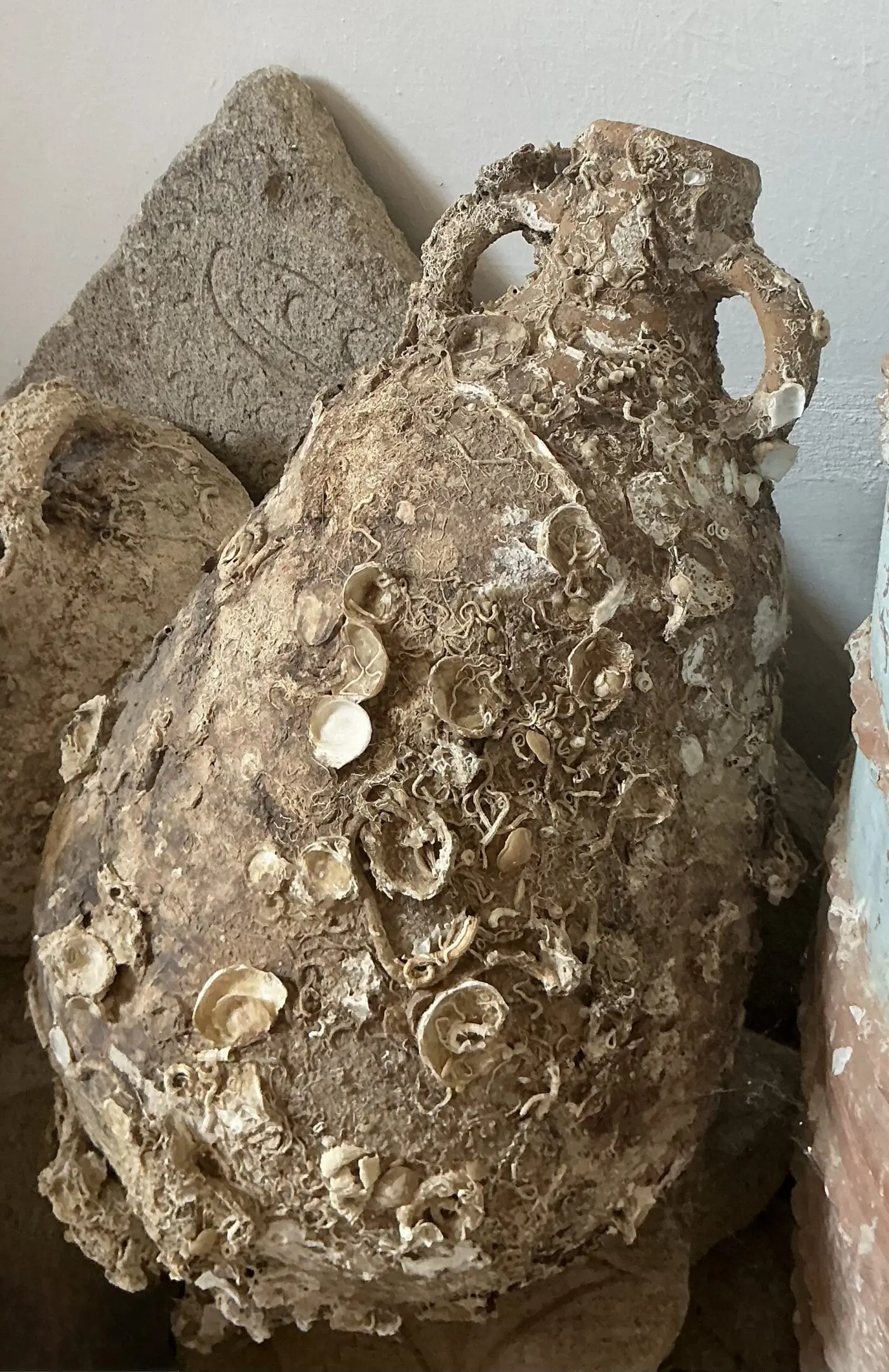
Ancient vase or pitcher. Found in the sea by local fishermen.
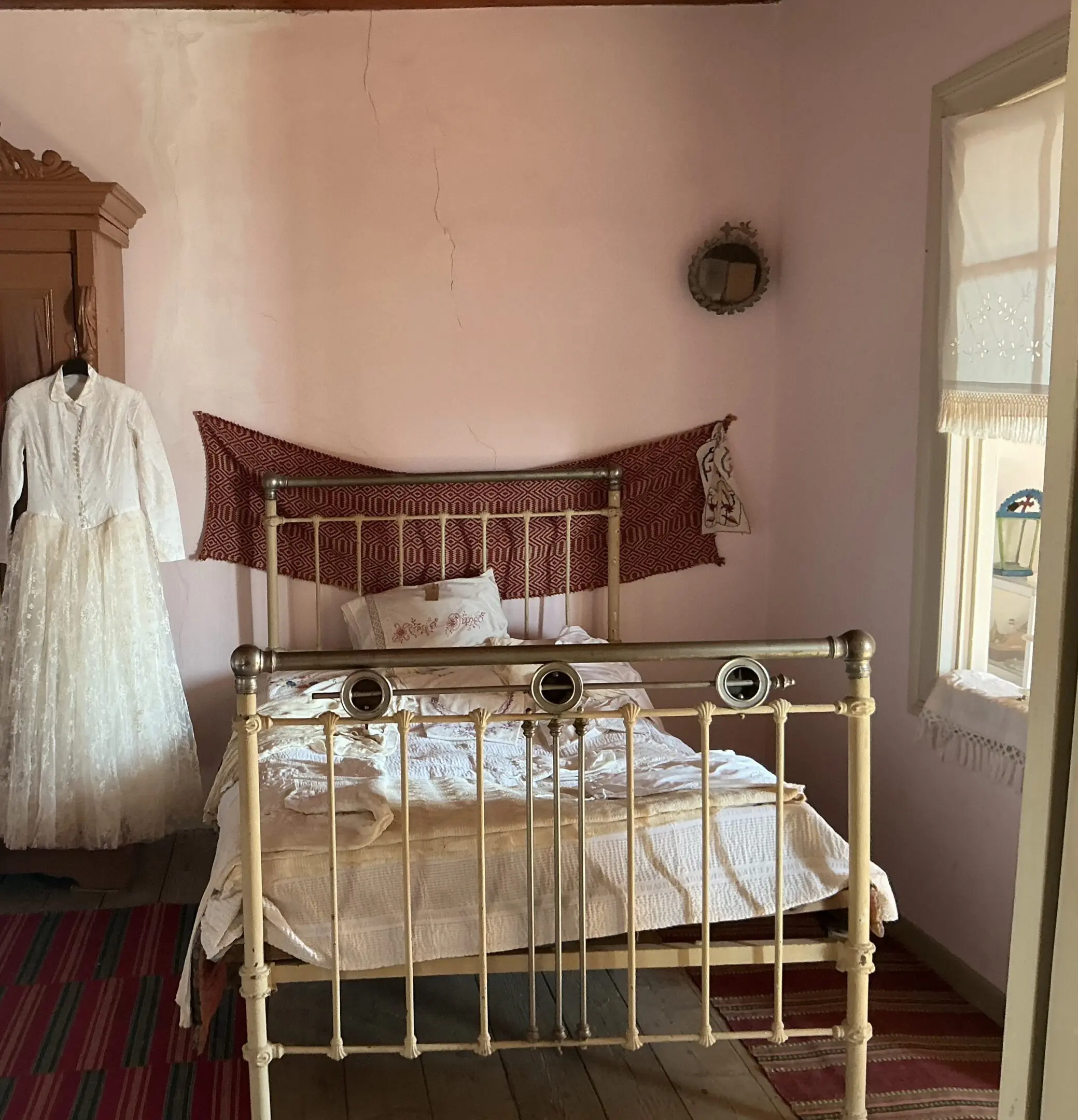
Bedroom with double bed.
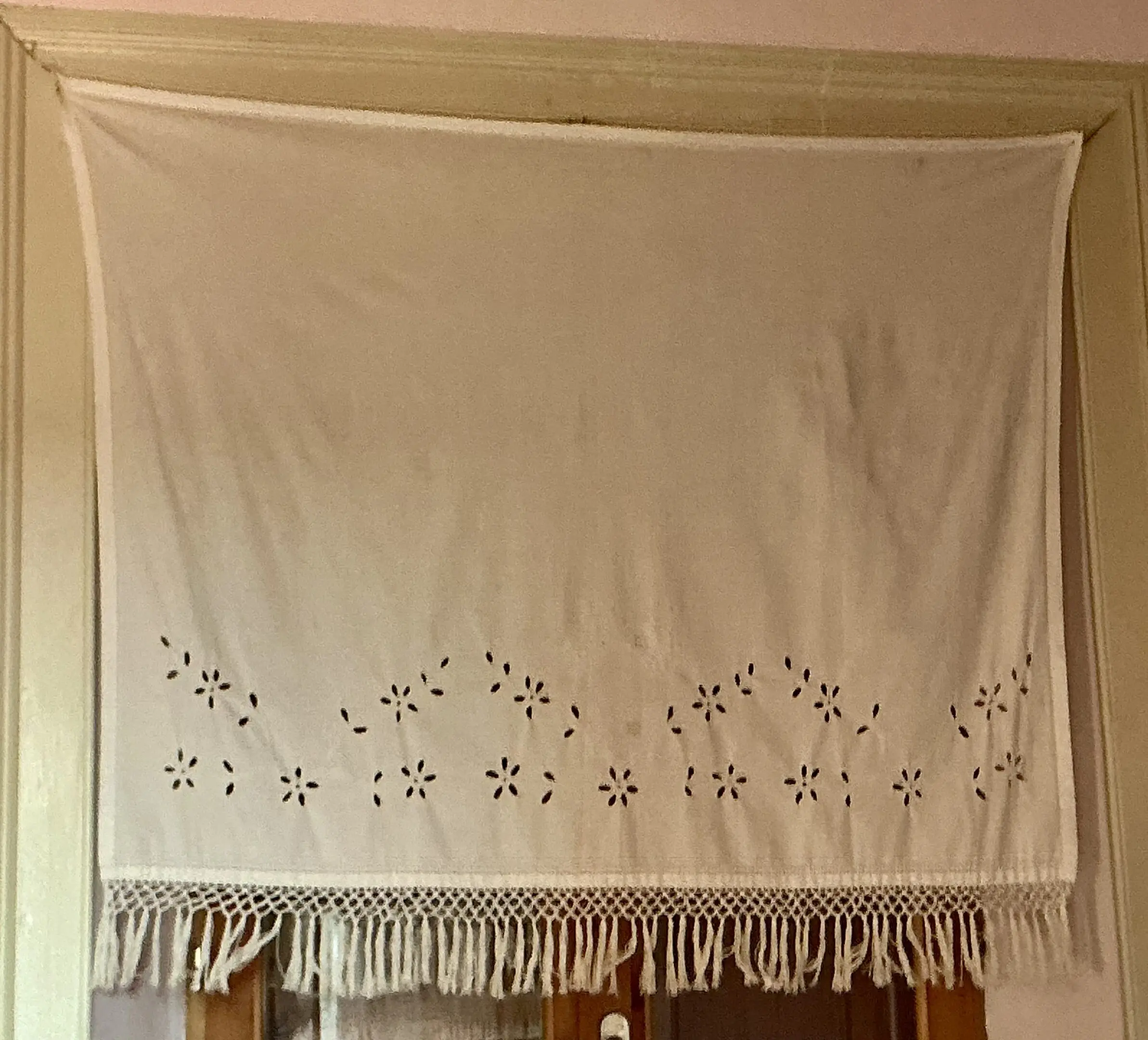
Curtain with fringe.
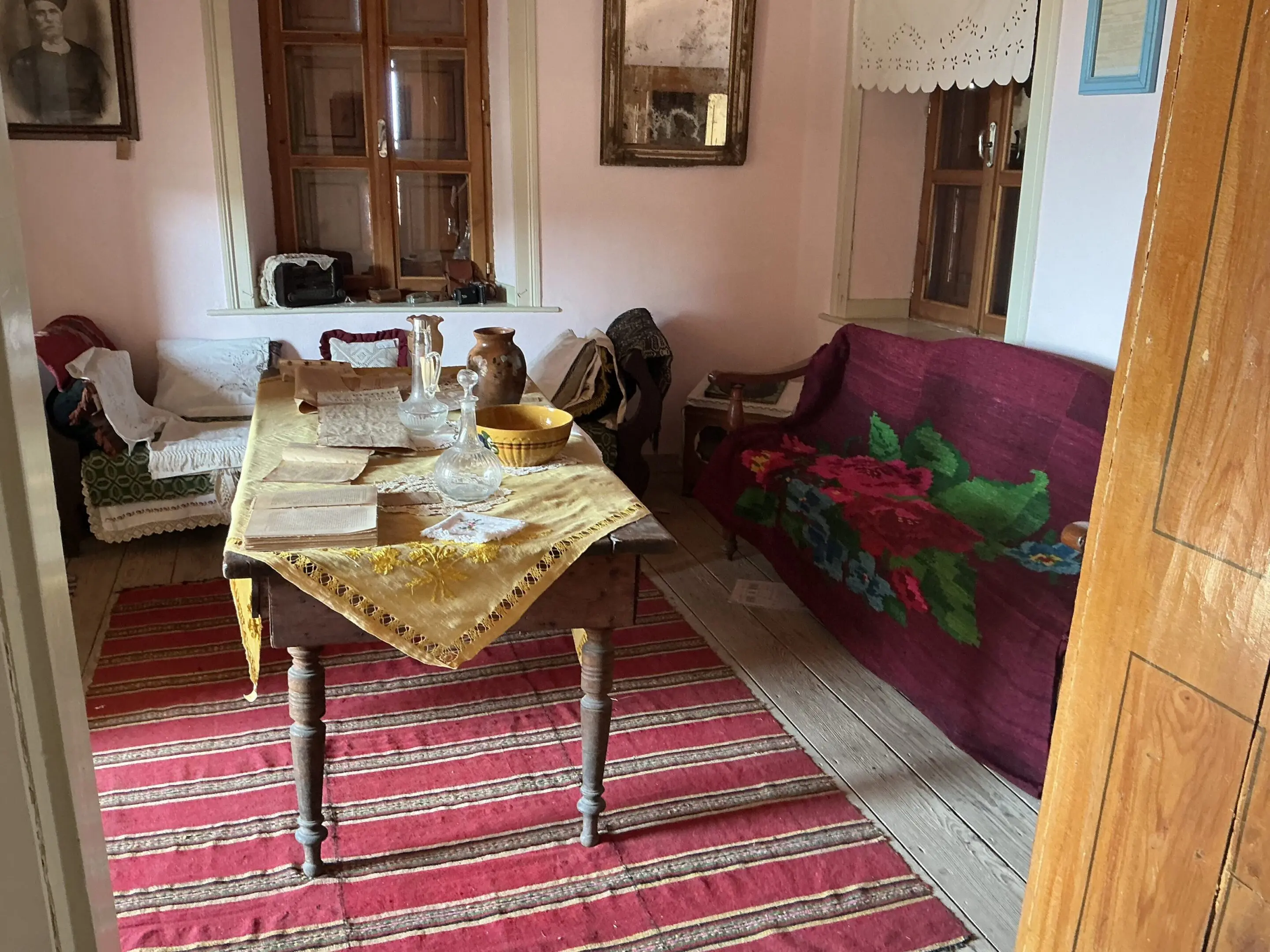
Sitting room.
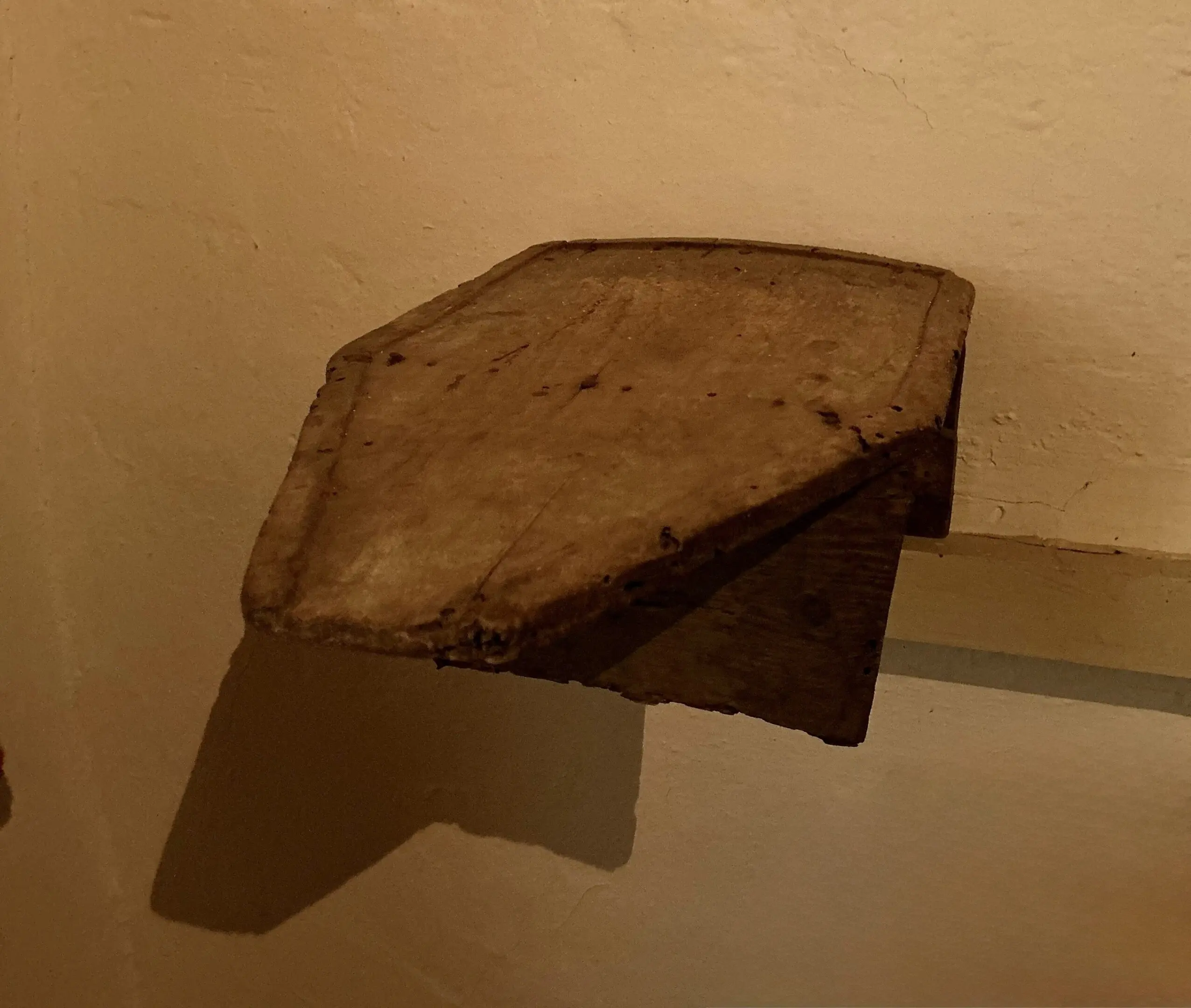
Cheese stool. Blocks of cheese were placed on the slightly tilted form so the whey from the cheese could drain. The whey was collected and fed to sheep or mules.
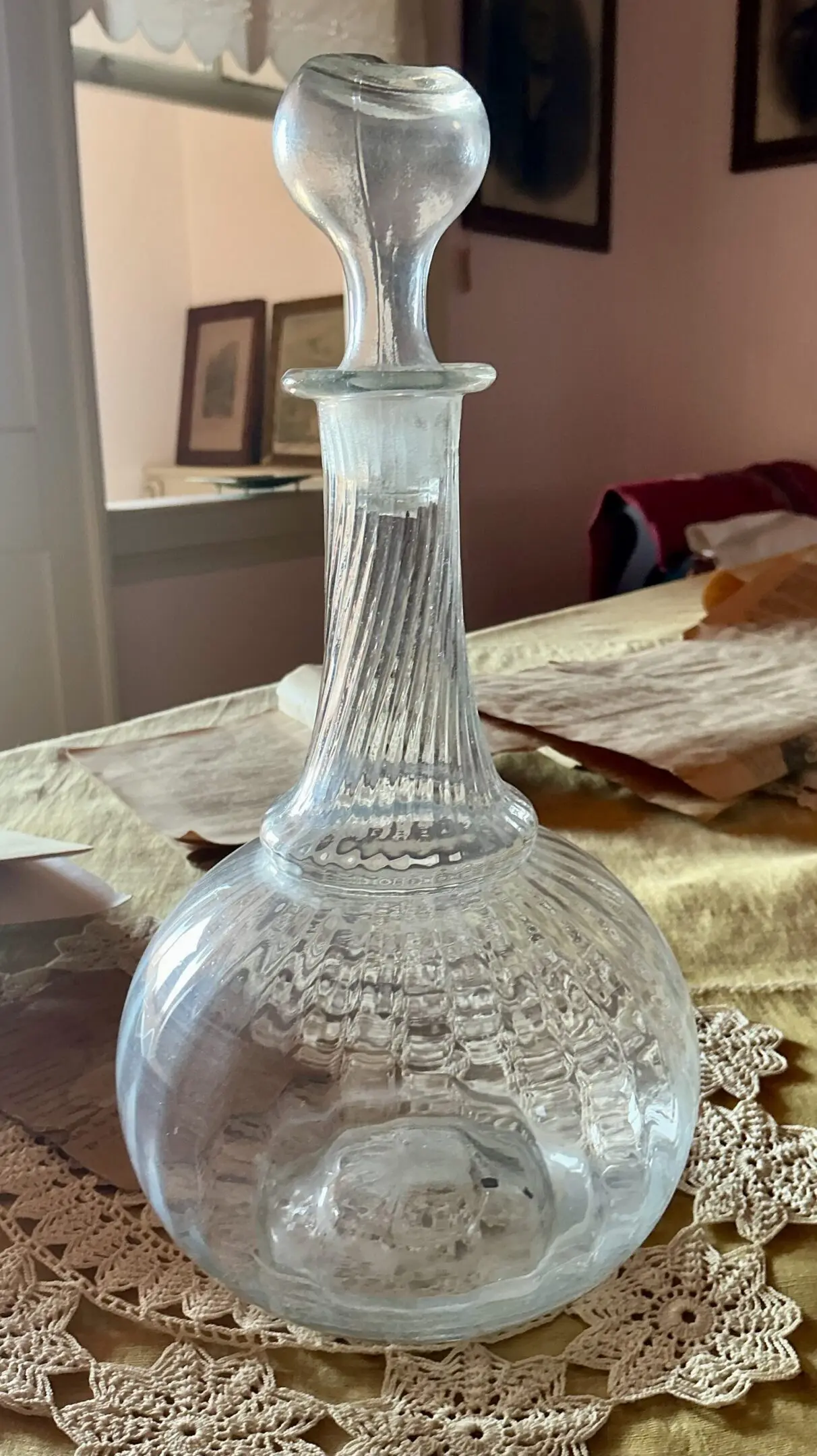
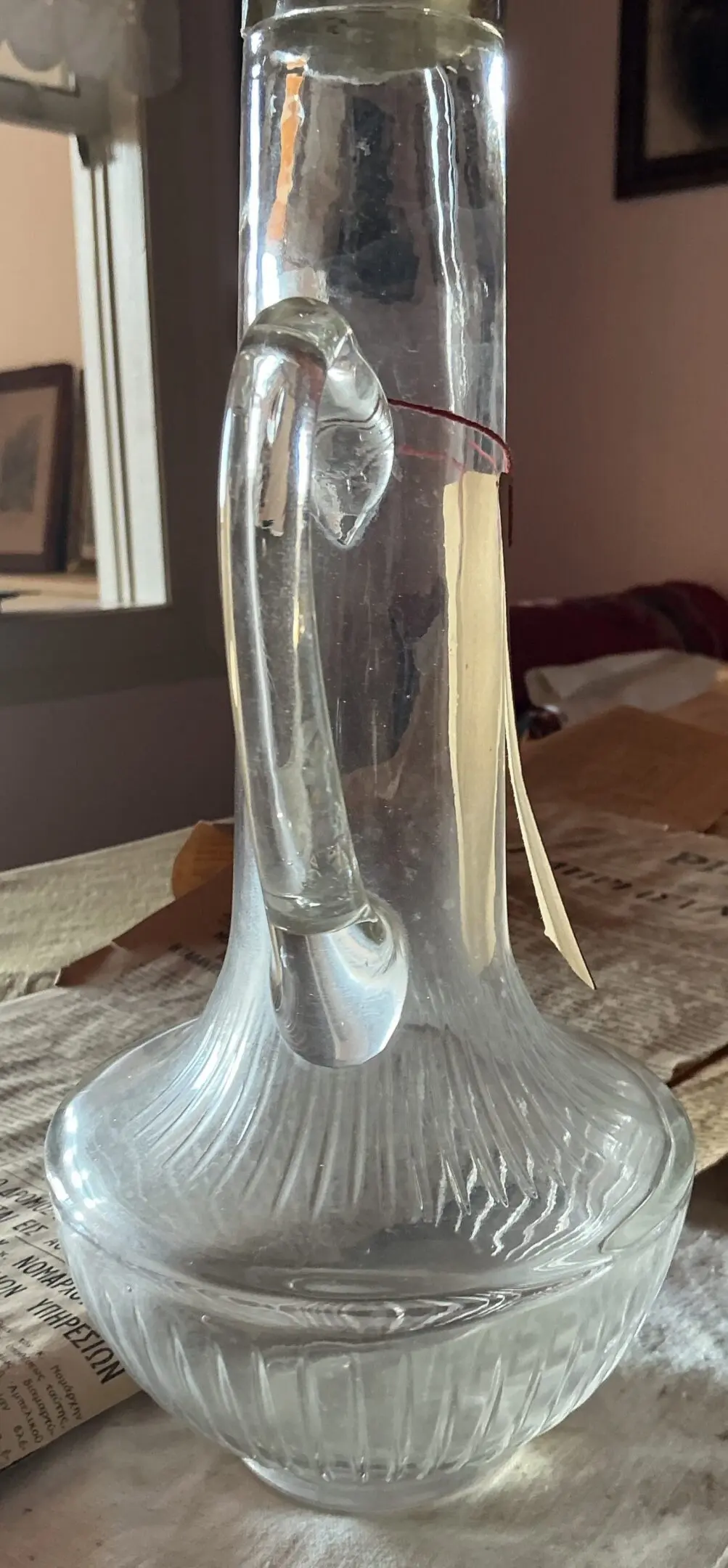
Carafe for ouzo or raki.
Carafe for pouring wine.
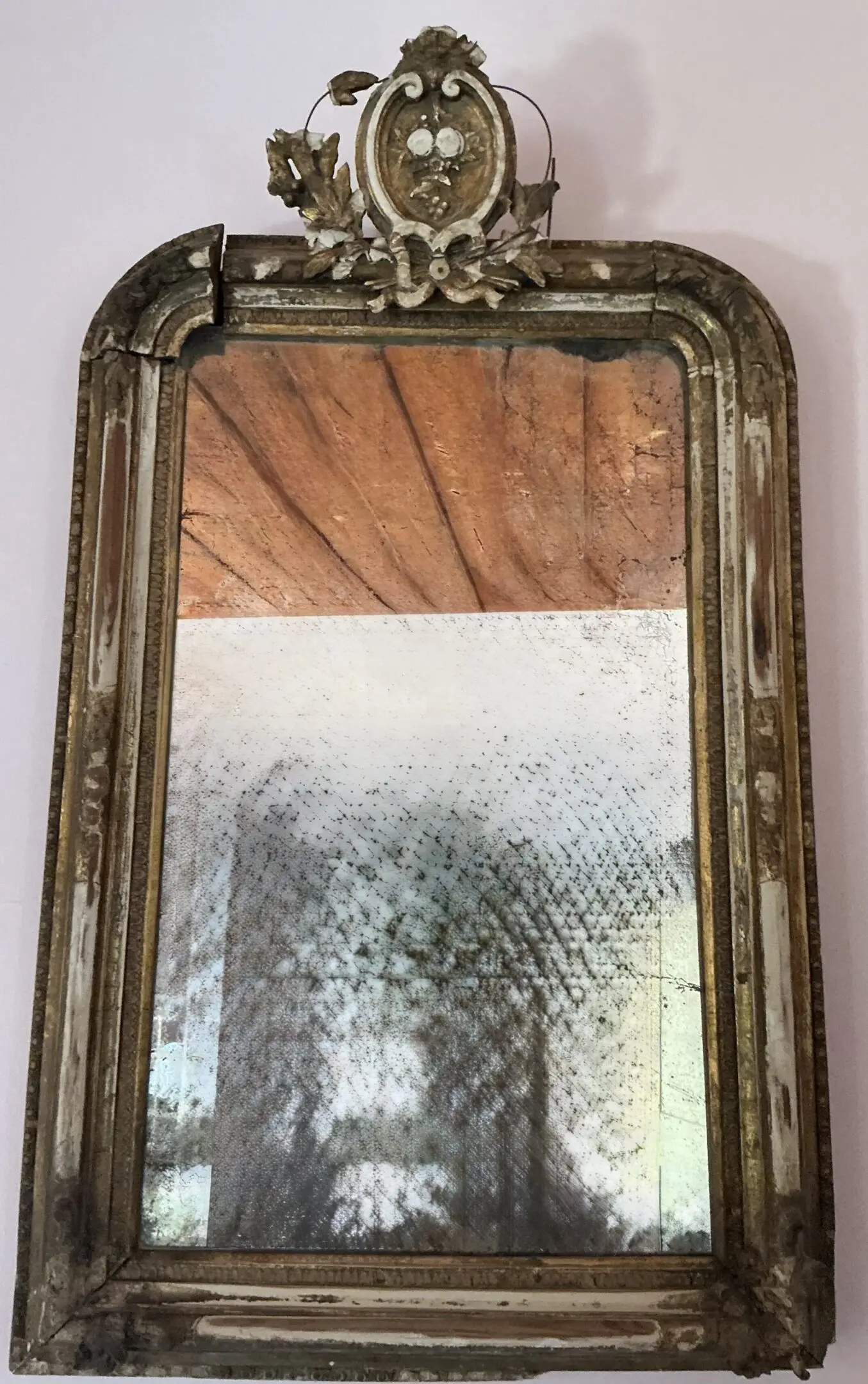
Mirror.
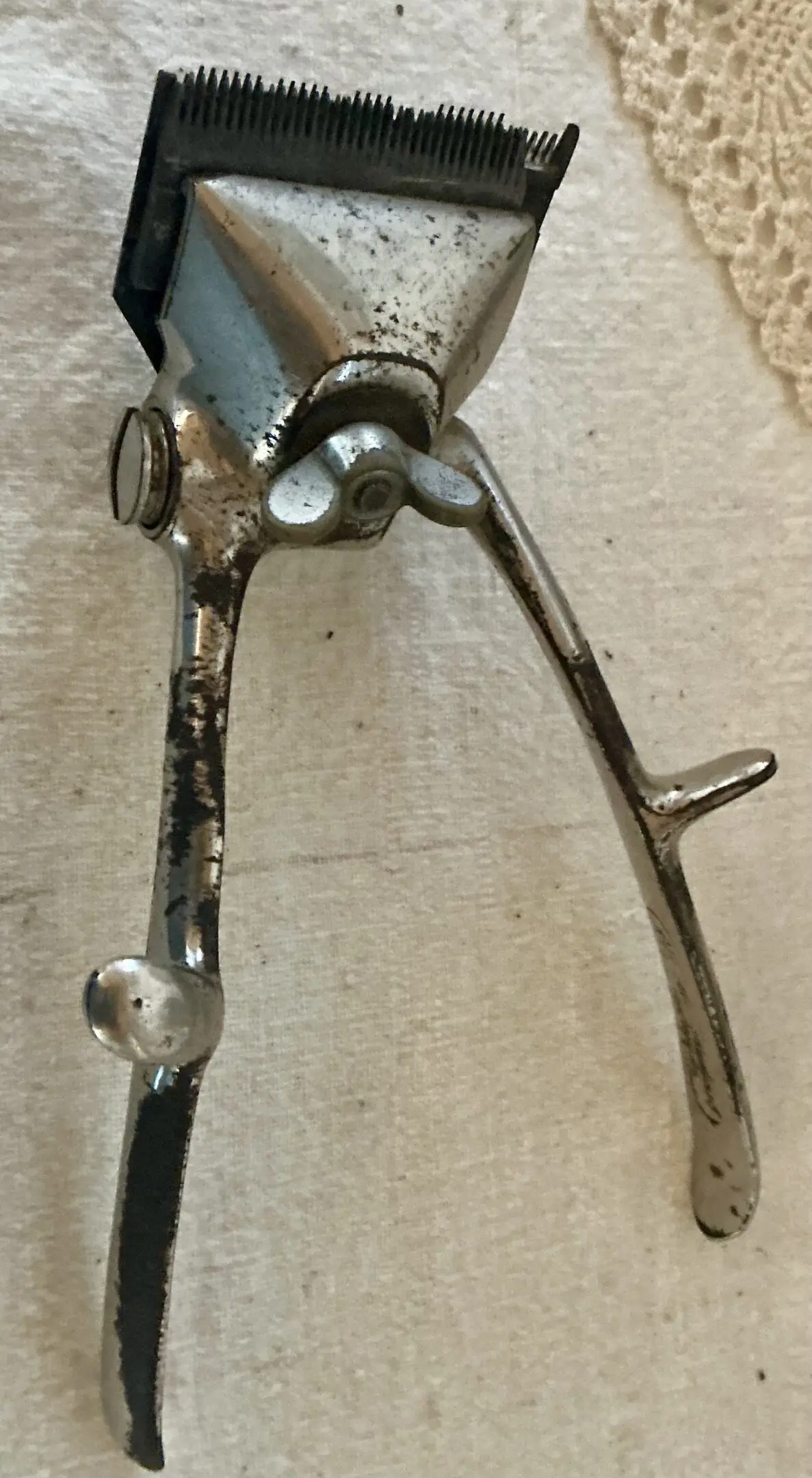
Hair clipper.
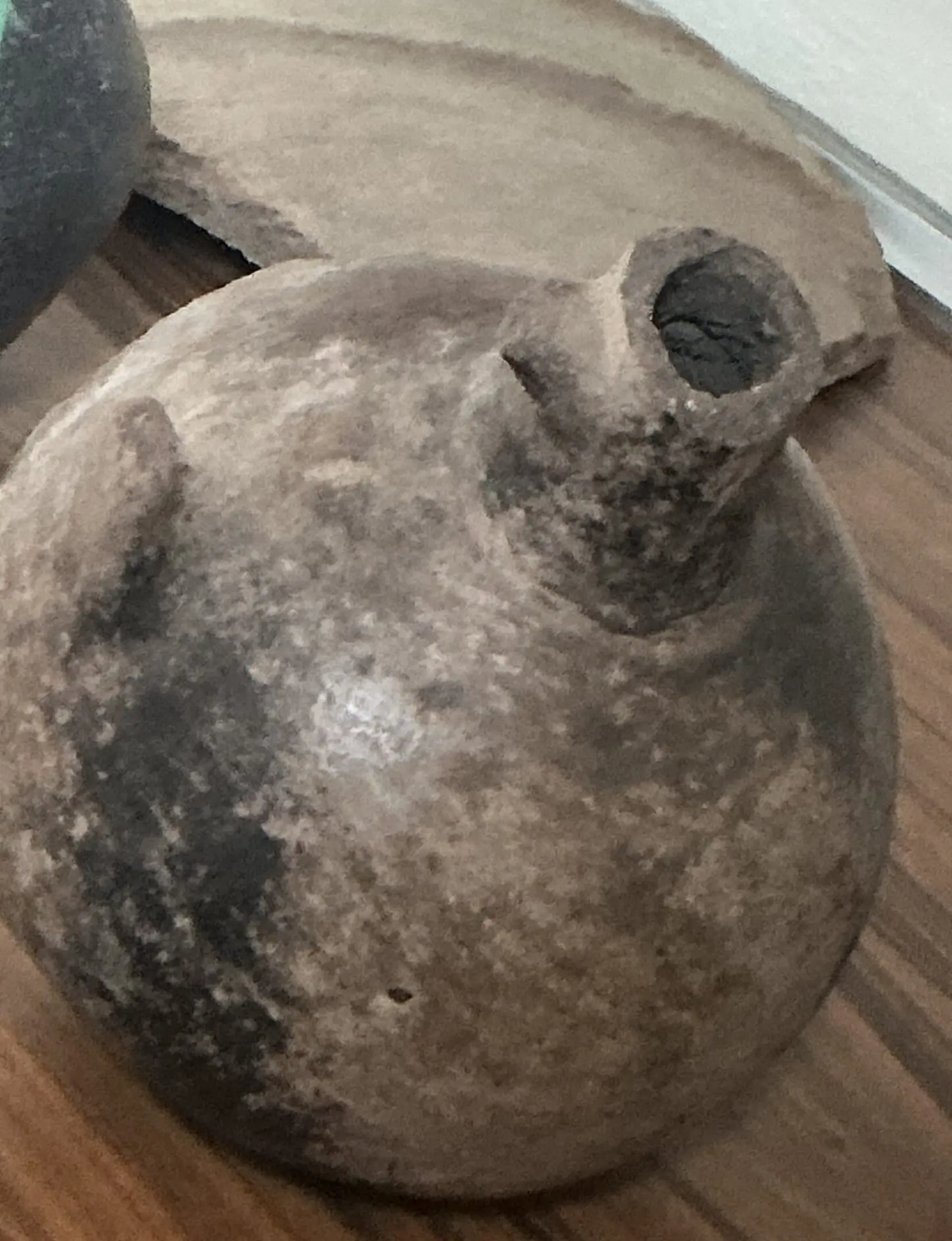
Circa 1800 BCE, this Bronze Age vase is one of the oldest items in the museum. Found in the settlement of Seipsis.
Spides
Jars.
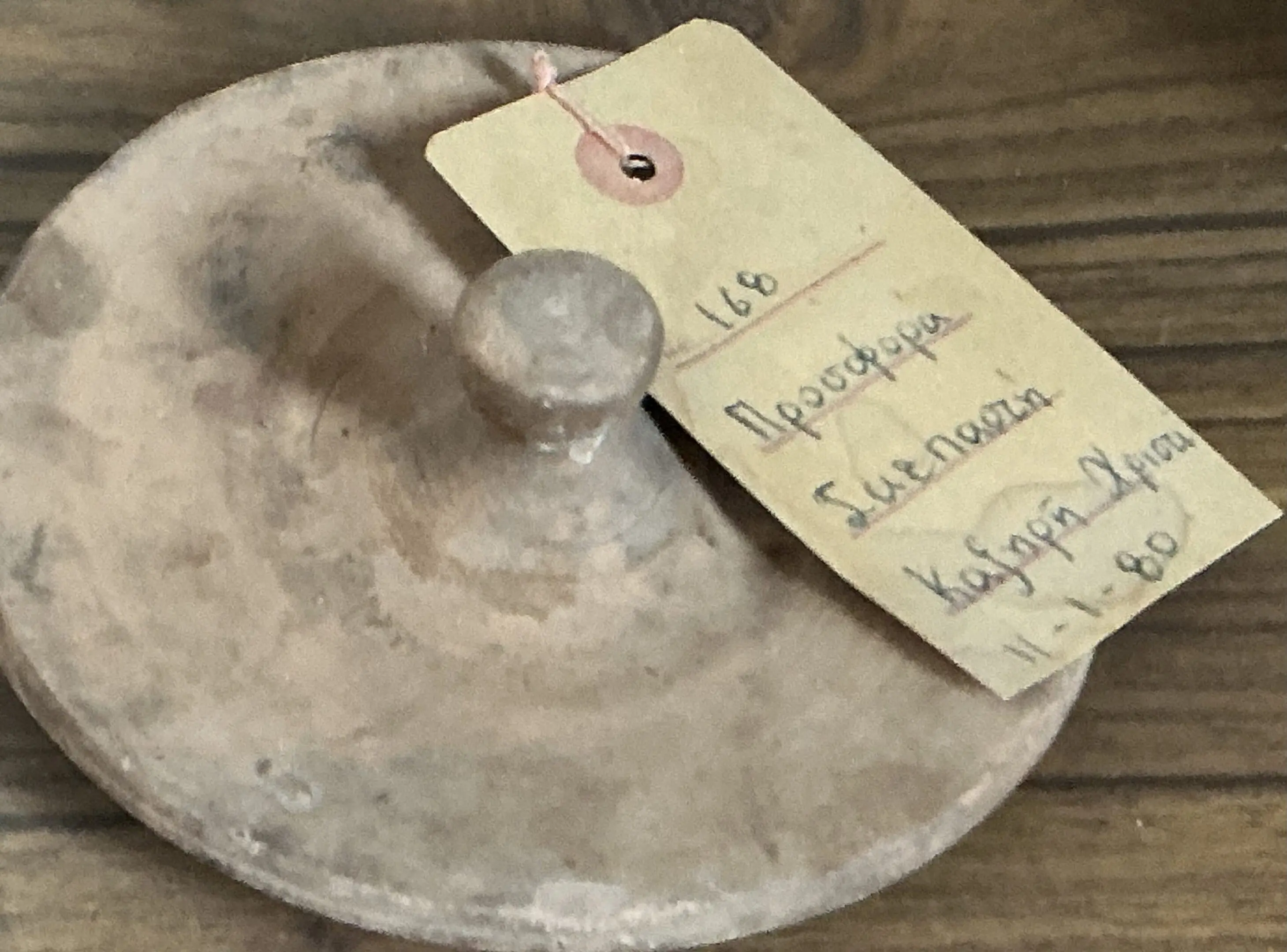
Lid for jar or pot.
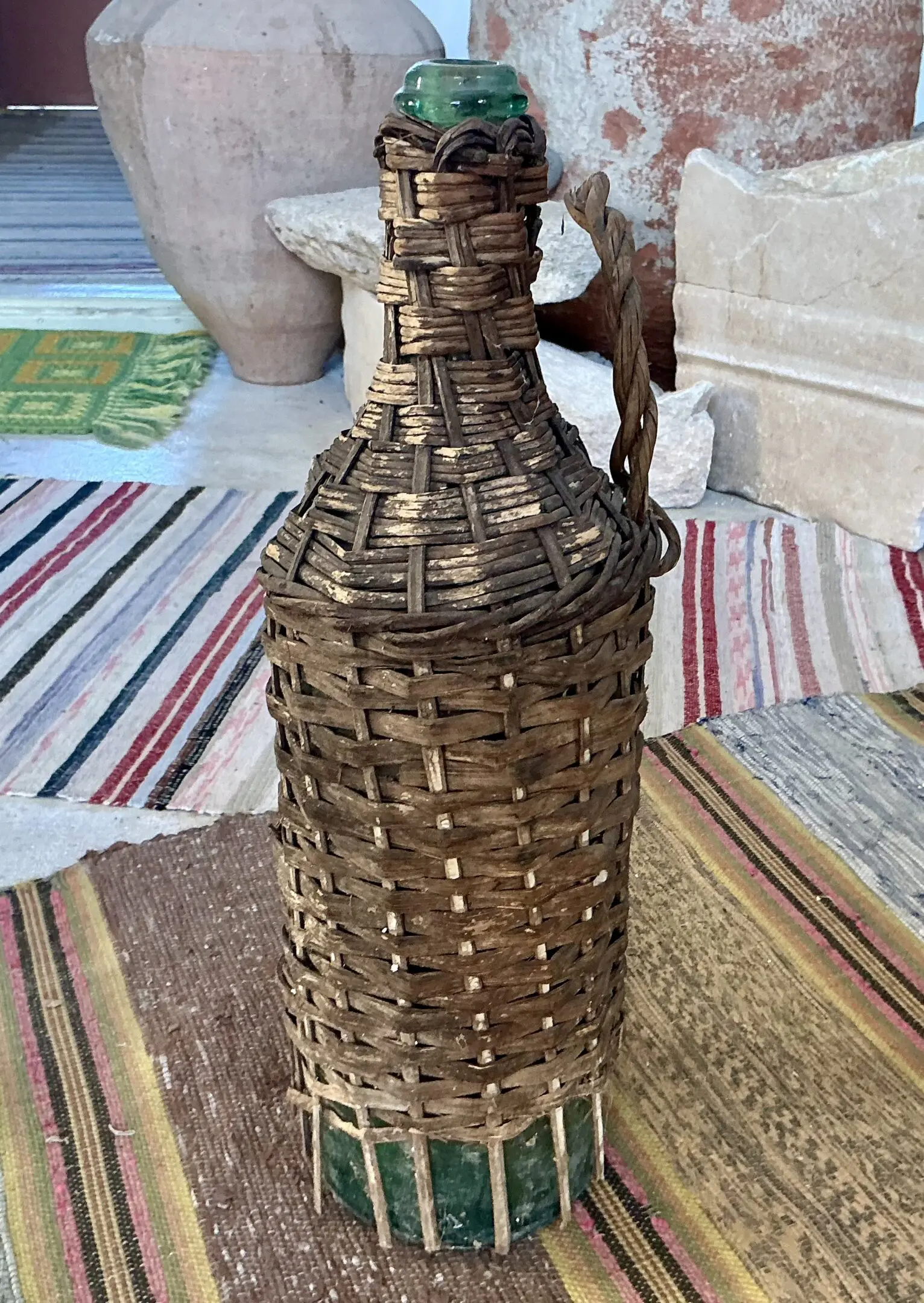
A large glass bottle that was filled with ouzo or wine and braided outside to prevent breakage.
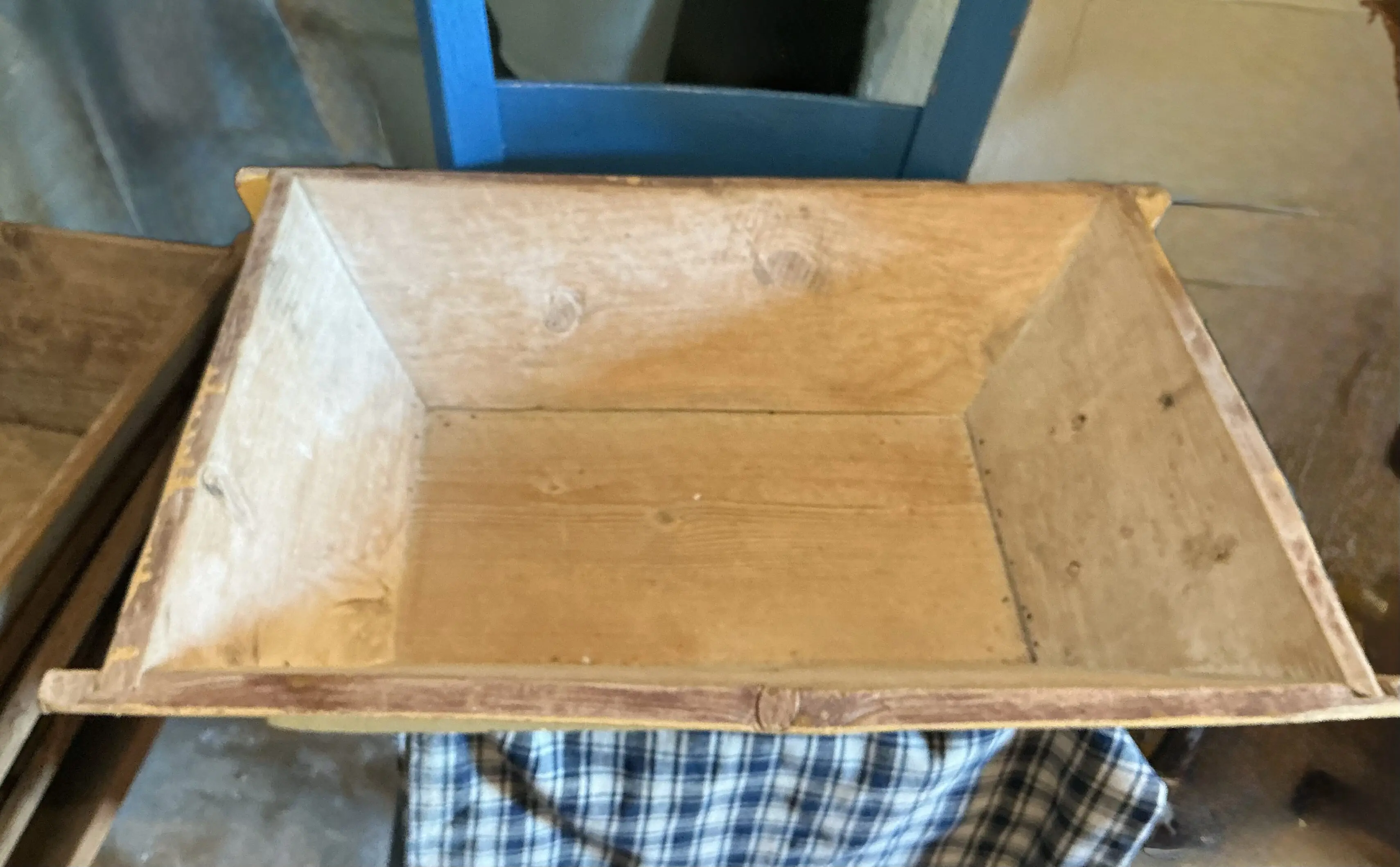
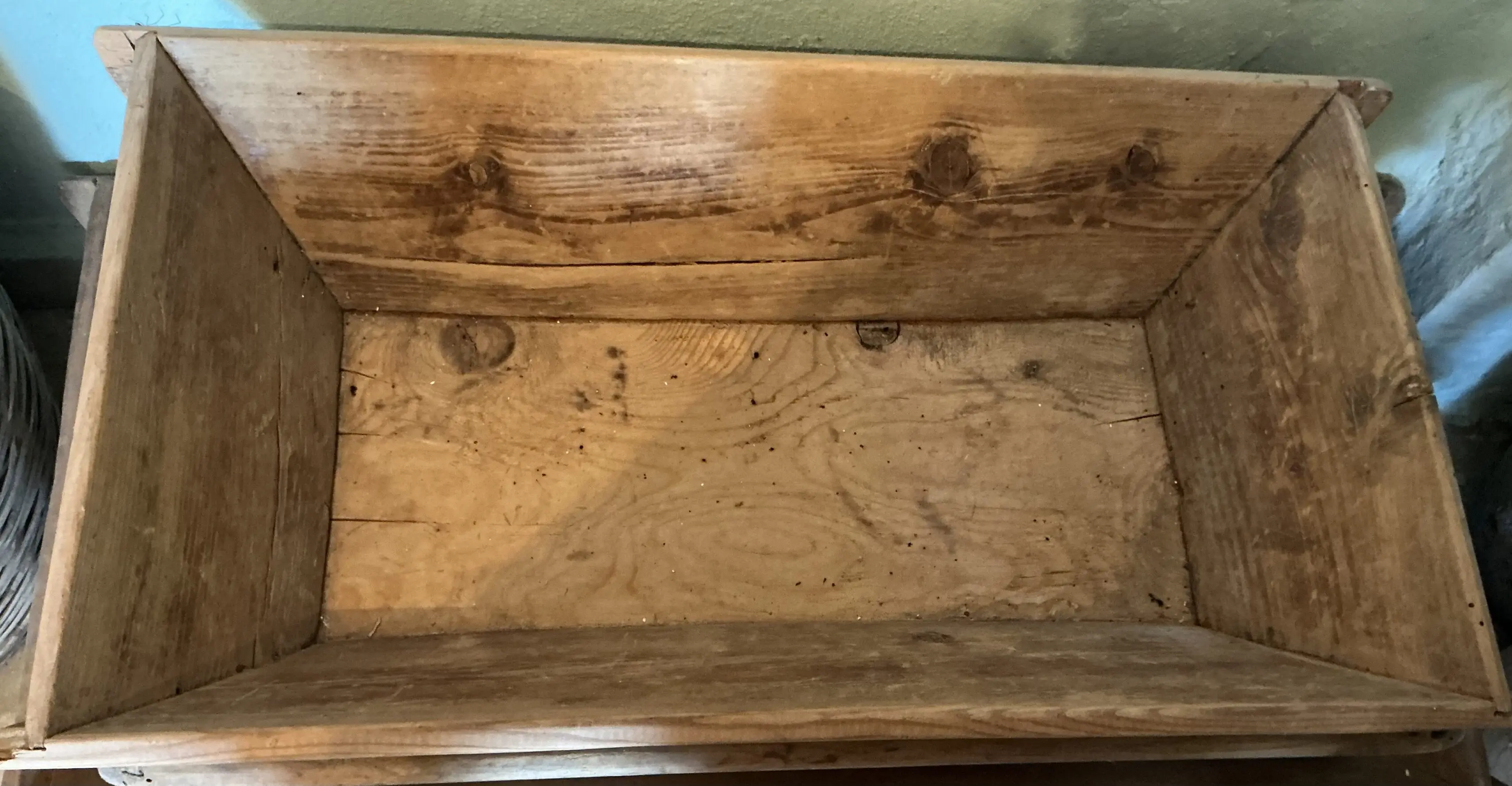
Vessel for kneading dough. Similar but separate vessel used for bathing.
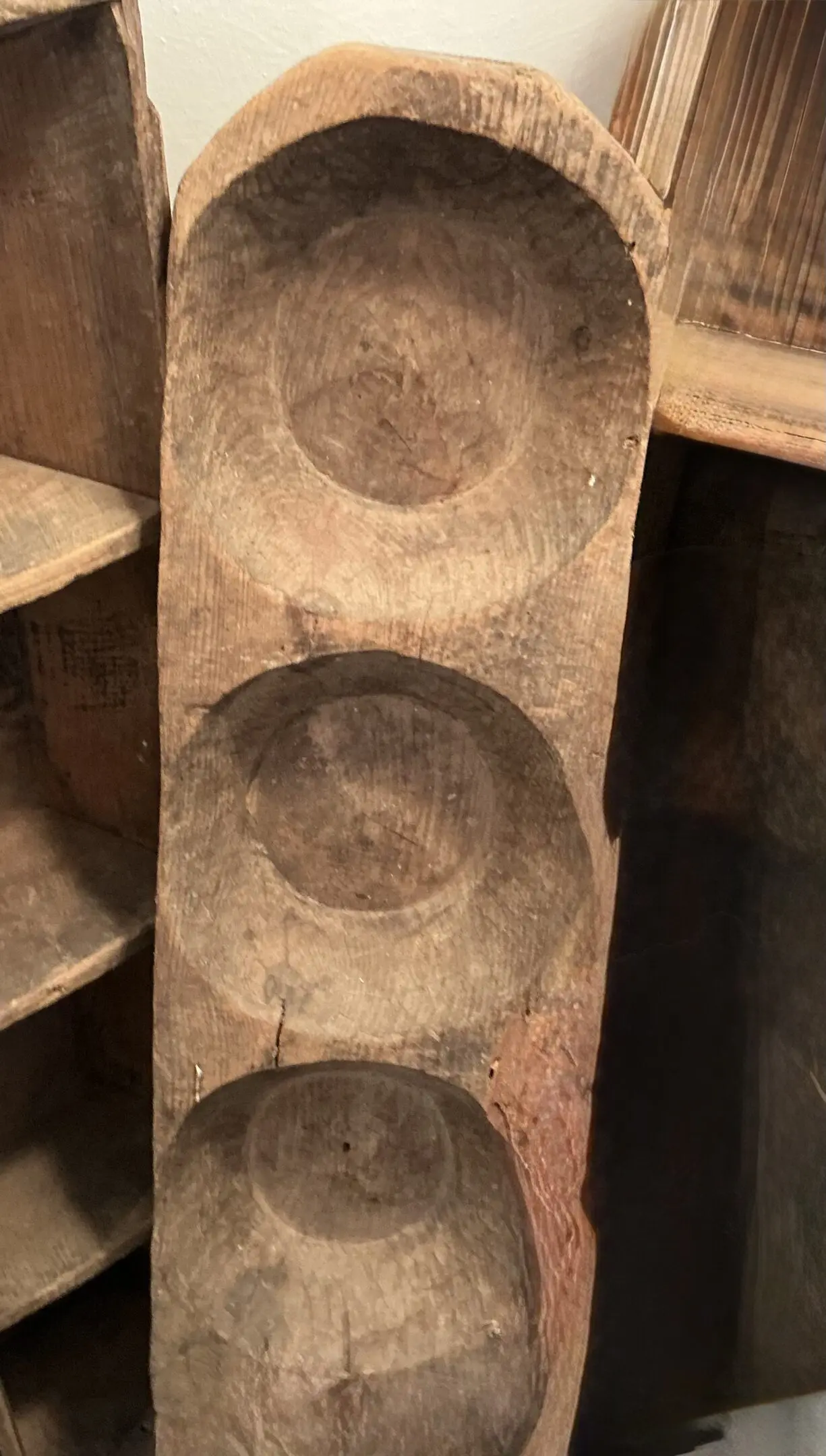
Panakoti
Carved wooden container used to transport the kneaded dough to the oven for baking.
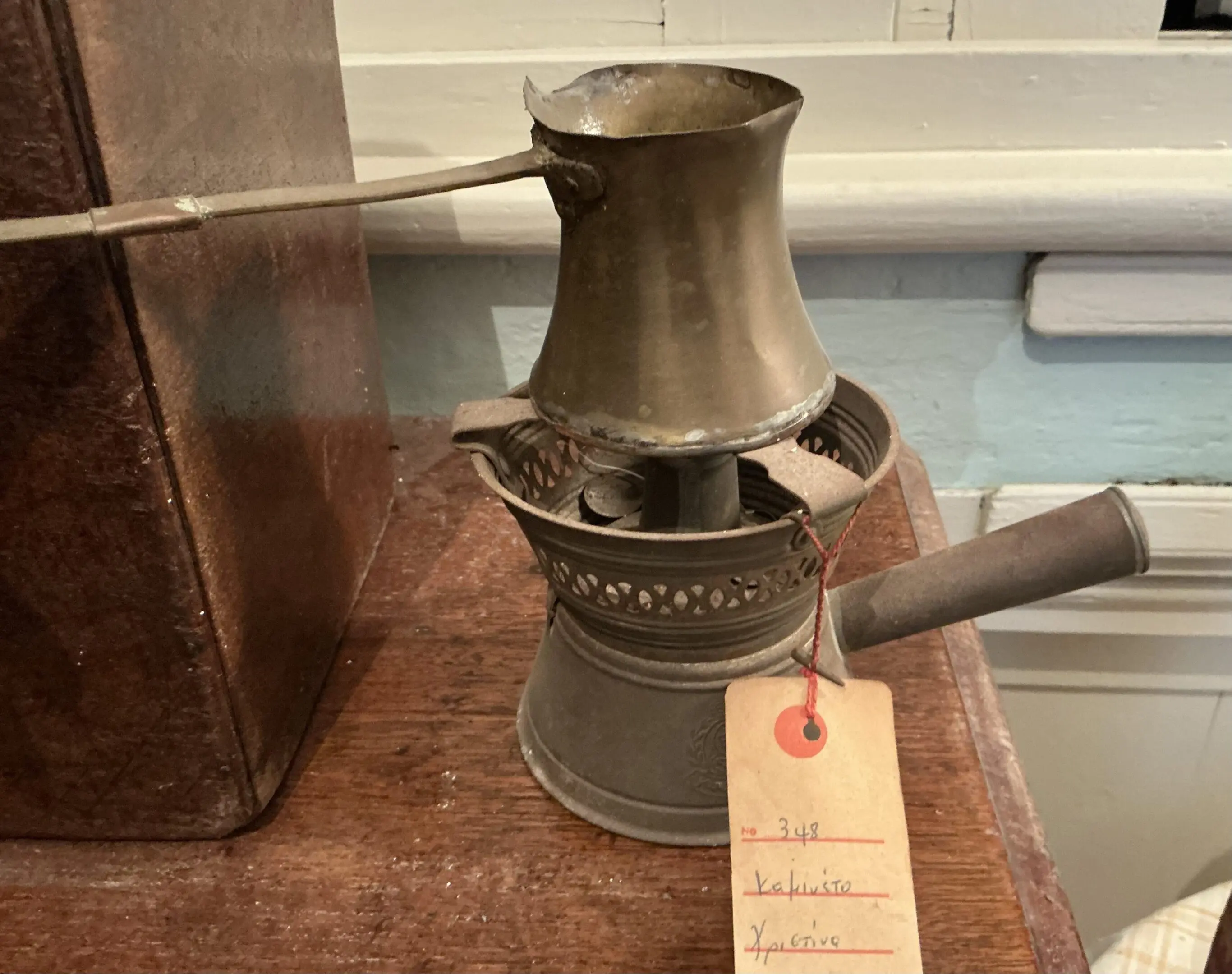
Utensil on the bottom was used to heat the "briki" (Greek coffee pot).
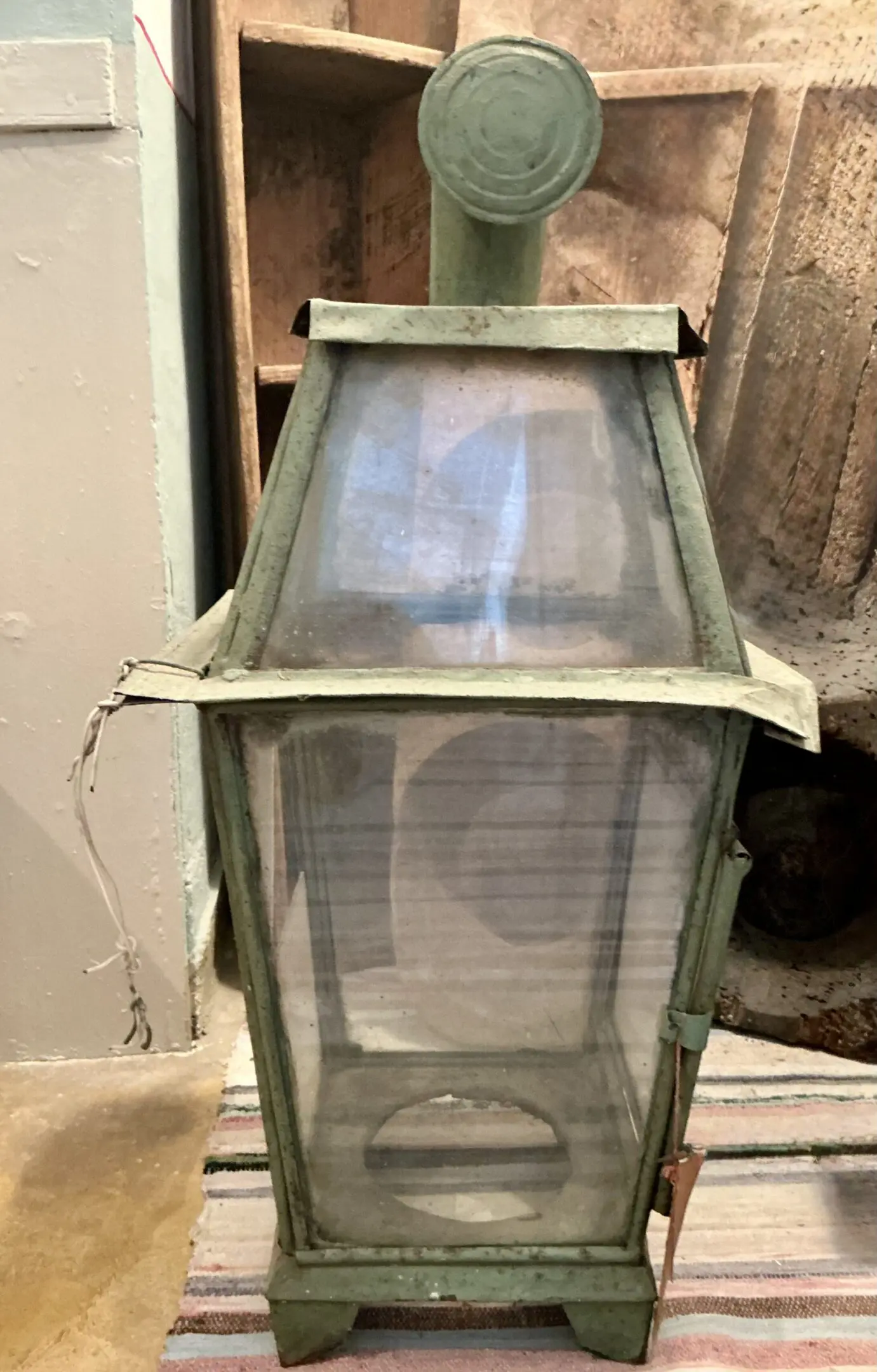
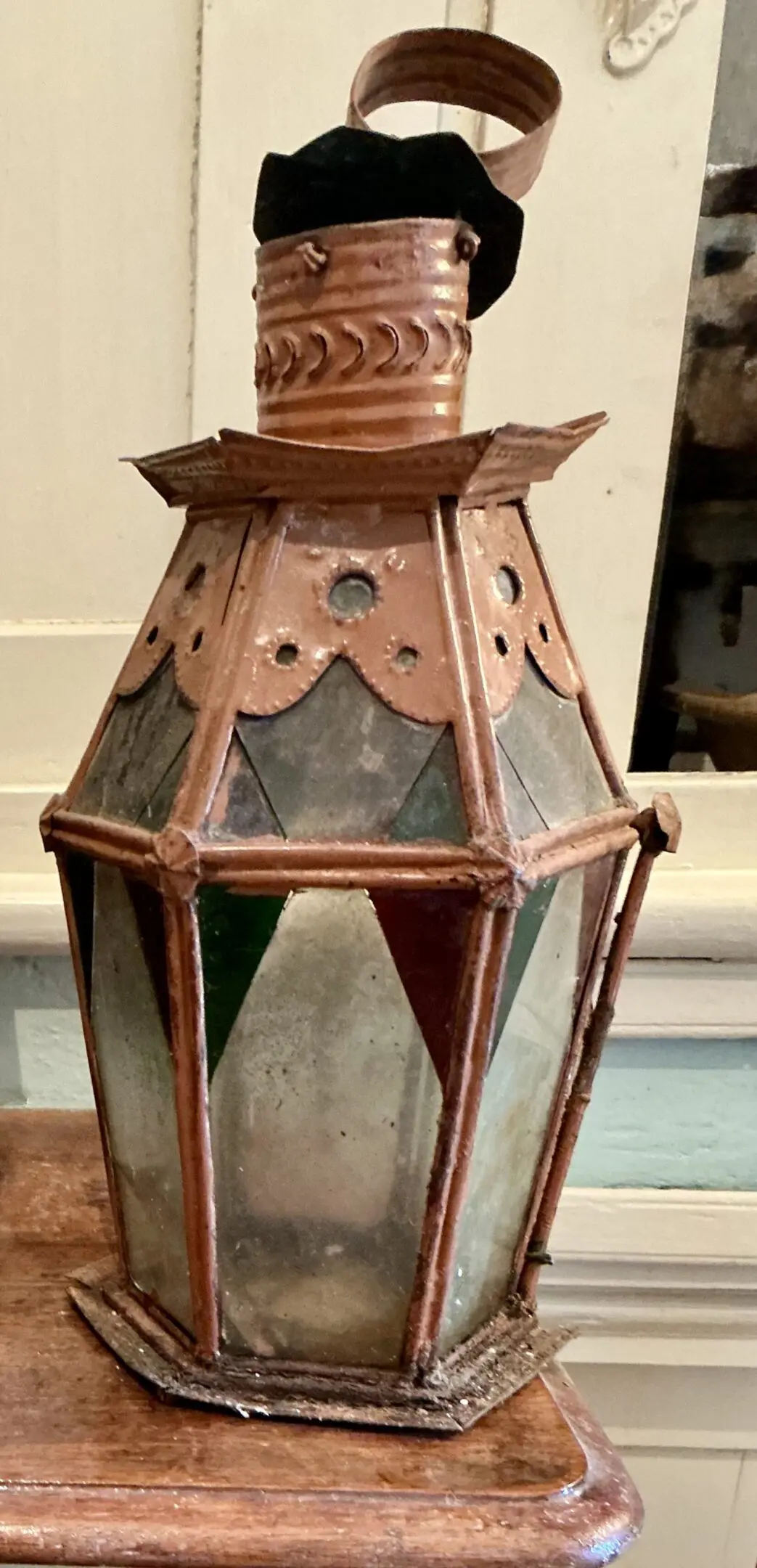
Lathofanaro
Lantern that worked with oil. Used for night travel.
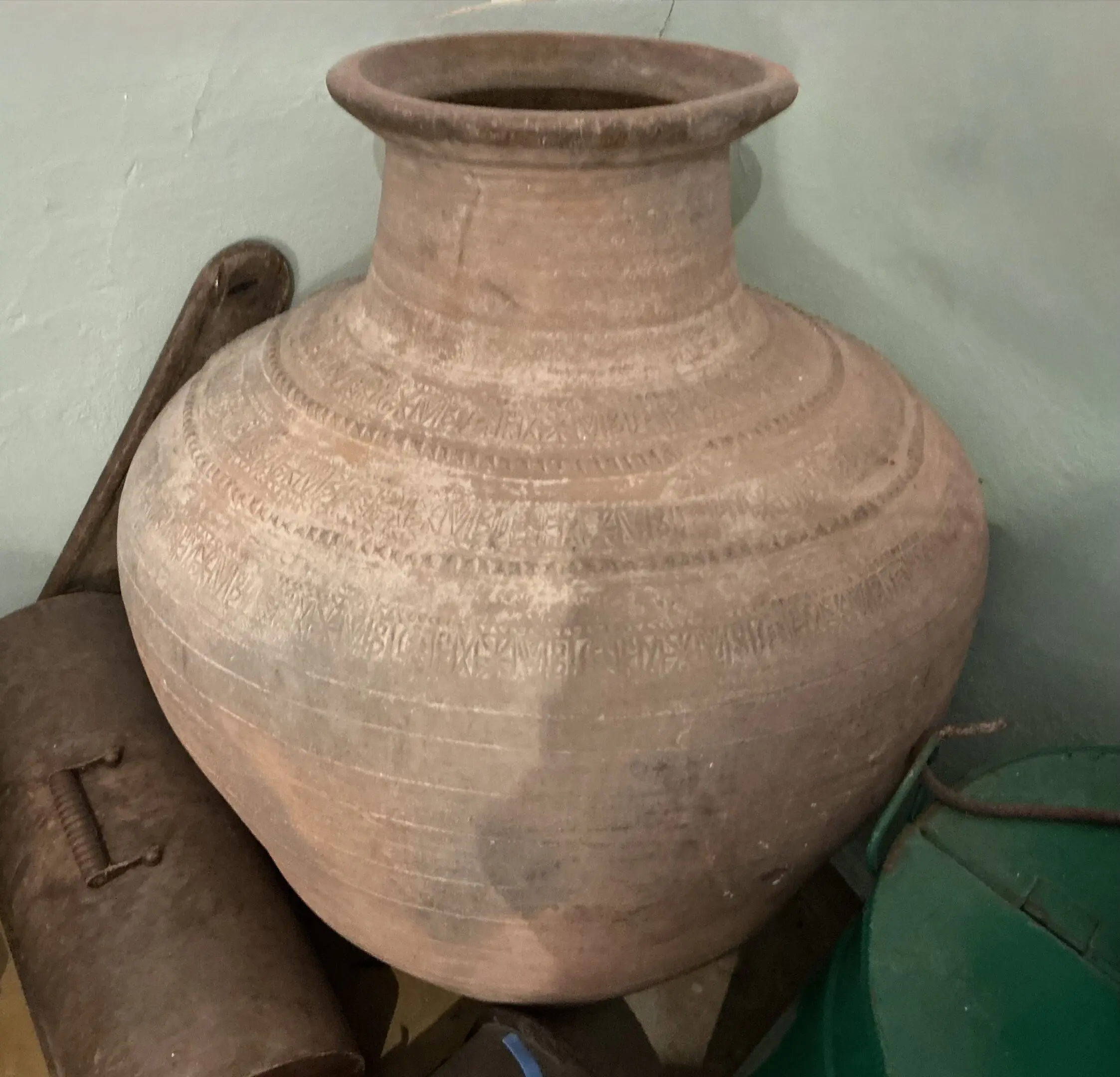
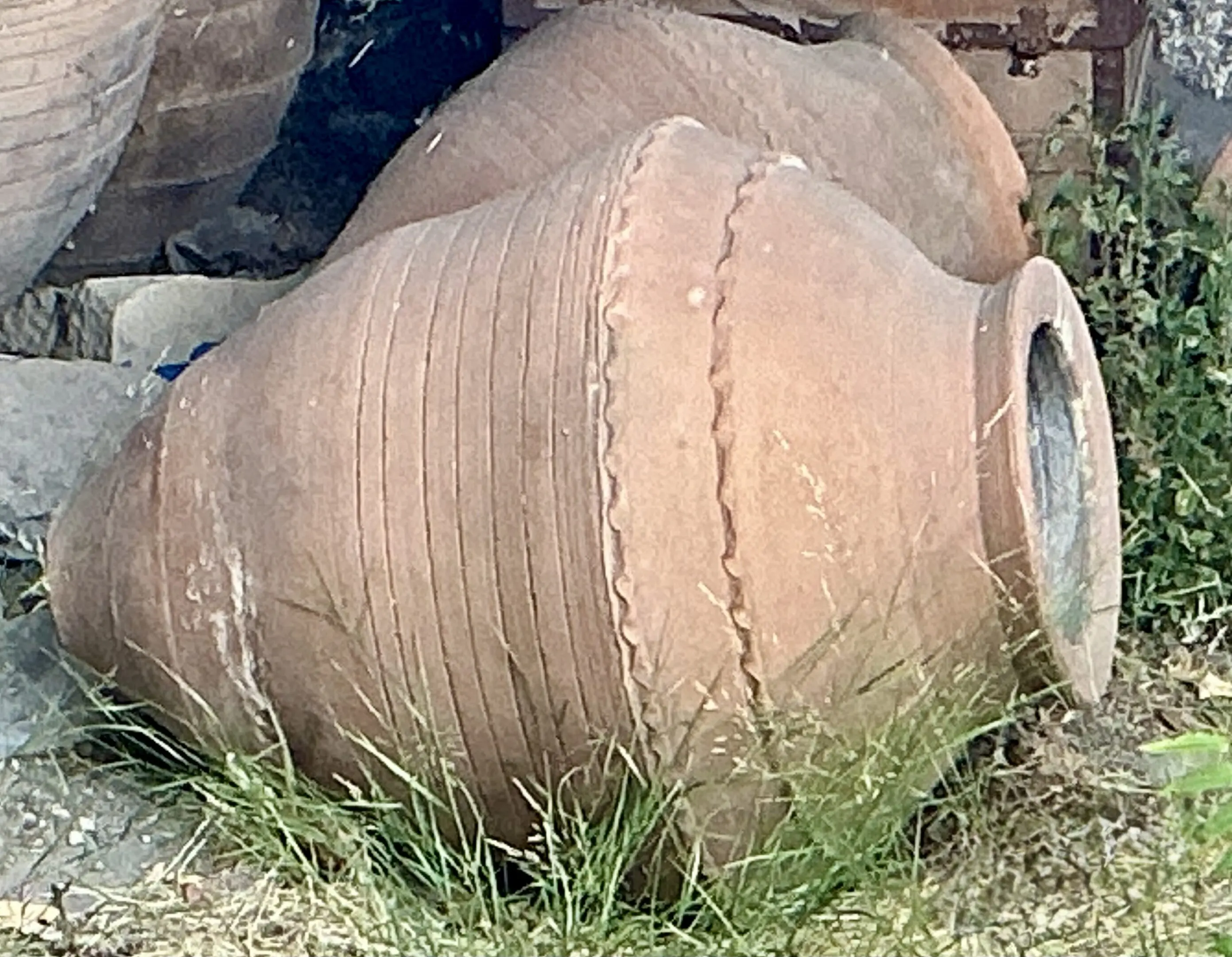
Pitcher used to store liquids like oil, wine, and water. Placed in an indentation in the basement floor to keep it upright. Also used to store dry goods like beans and chickpeas, etc. for the winter.
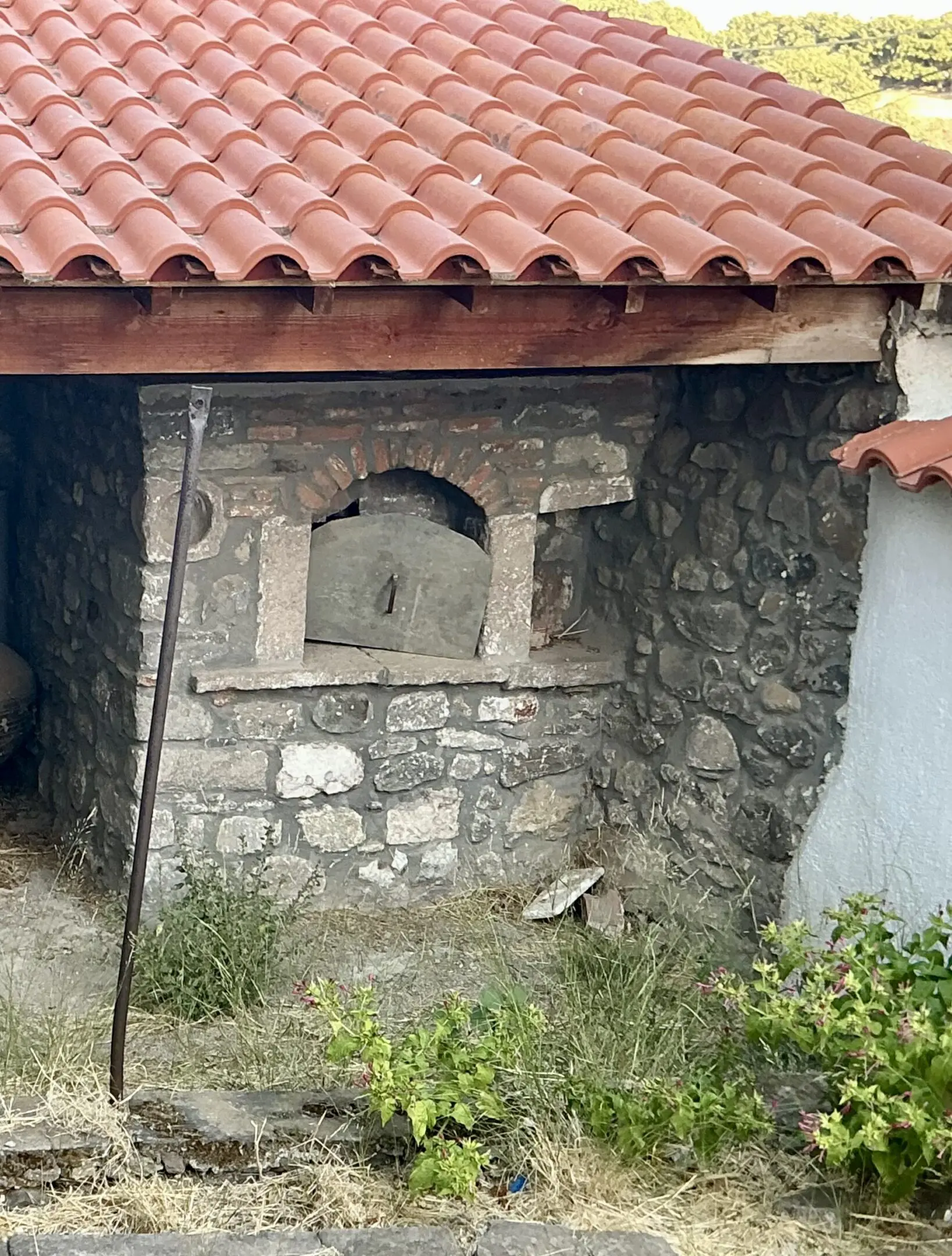
Oven used for baking bread. This particular oven belonged to the home where the museum is now housed.
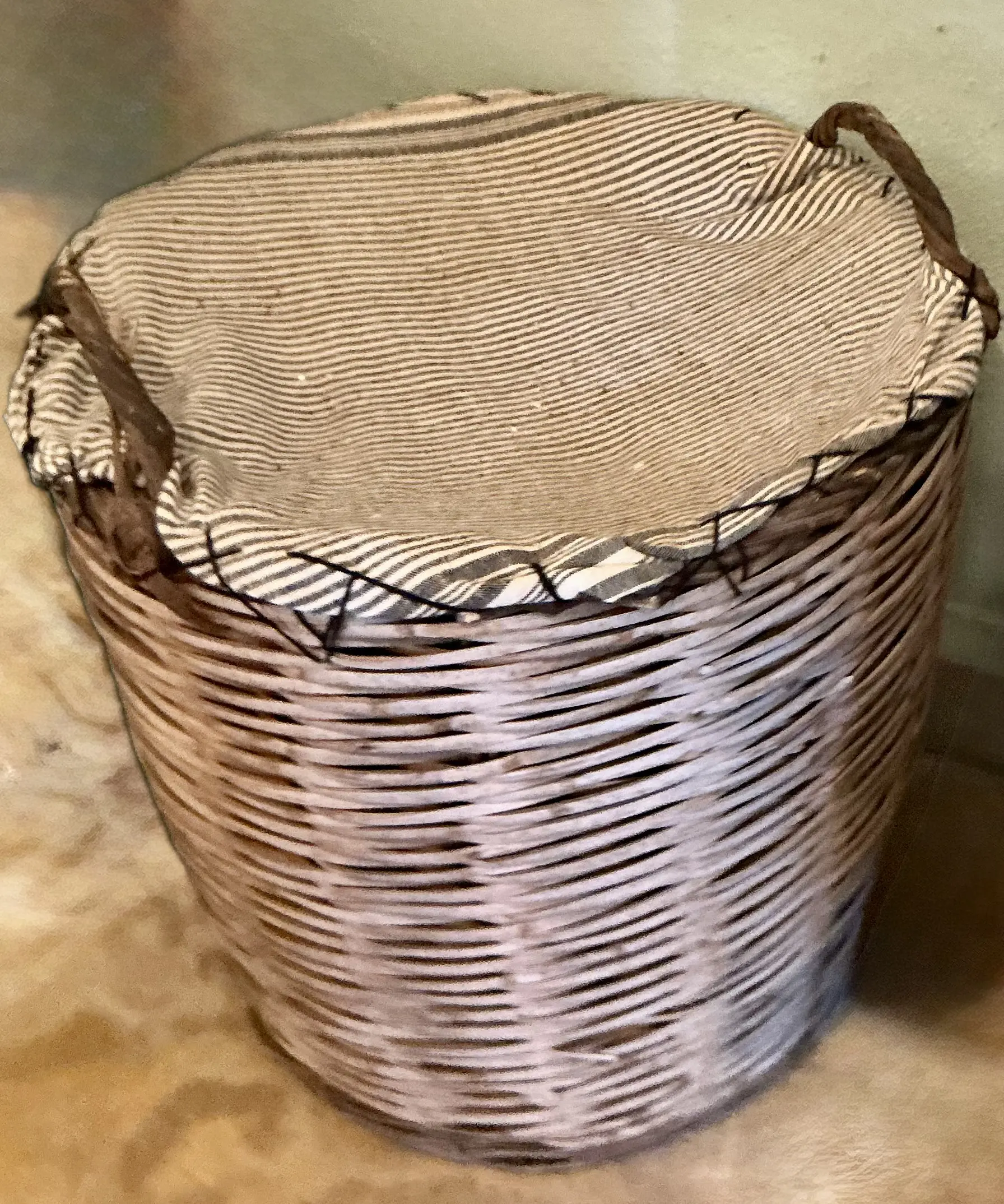
Basket used as a suitcase. Cloth material sewed into the woven top.
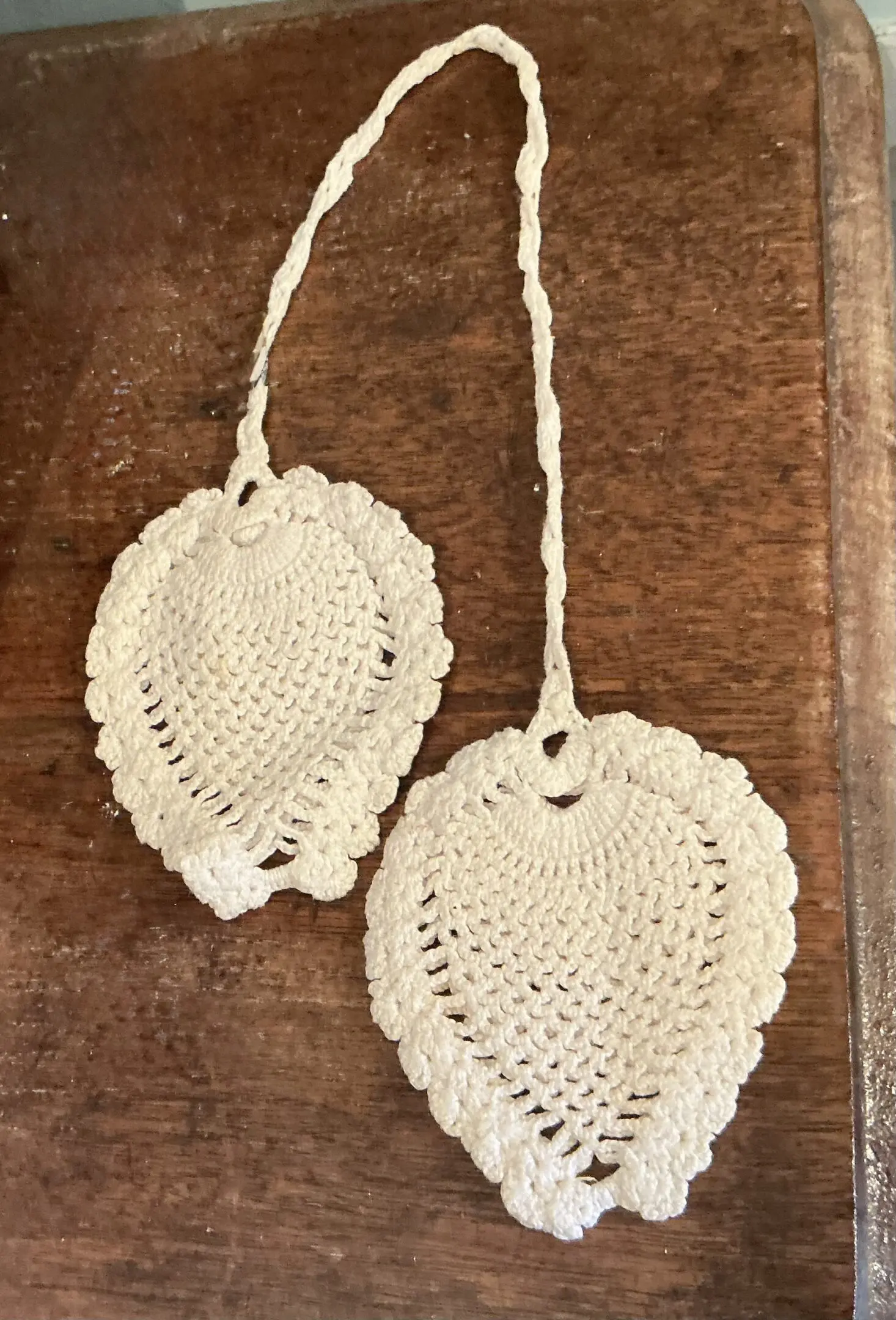
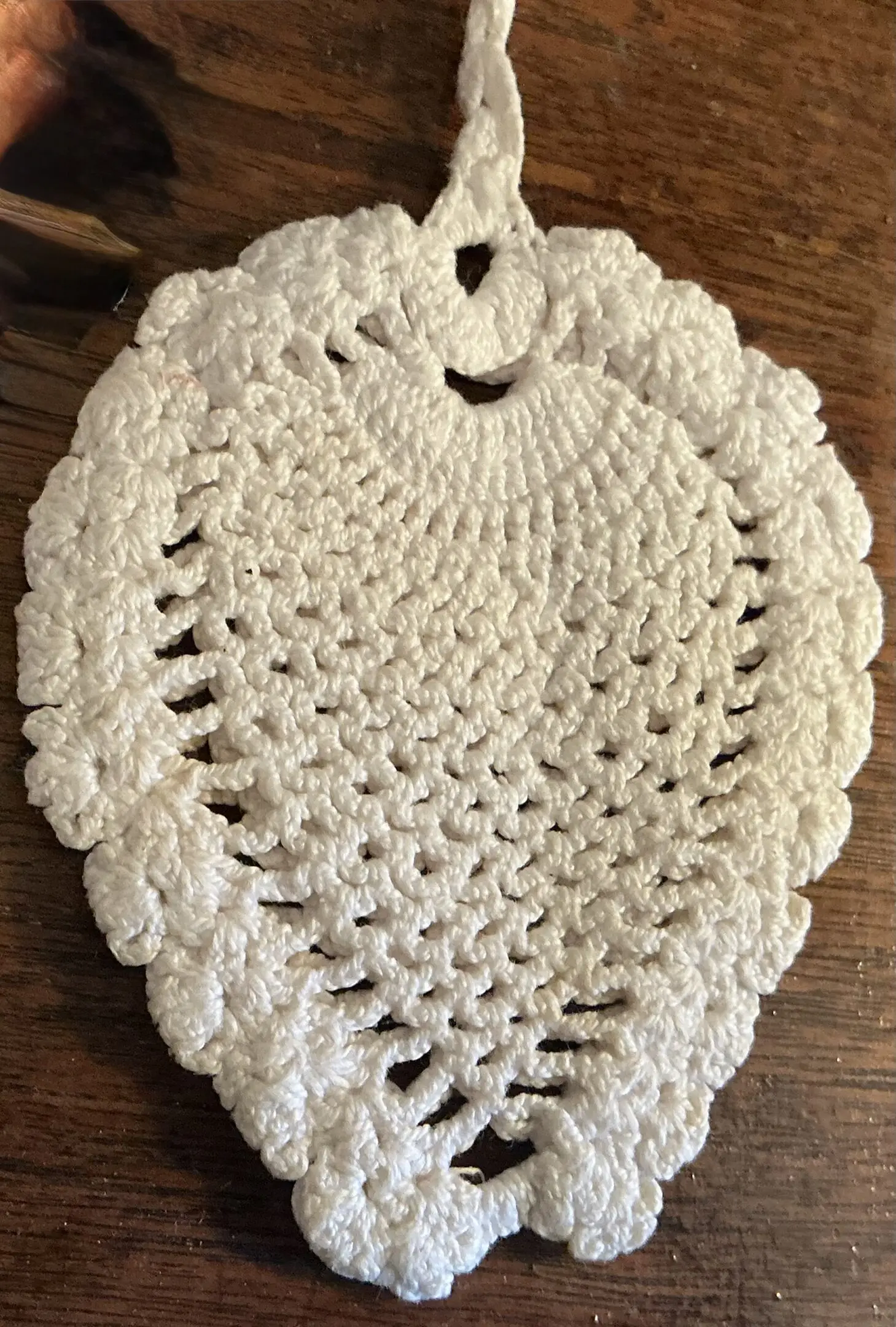
Crocheted tongs used to lift hot plate or upon which to rest hot cooking utensil.
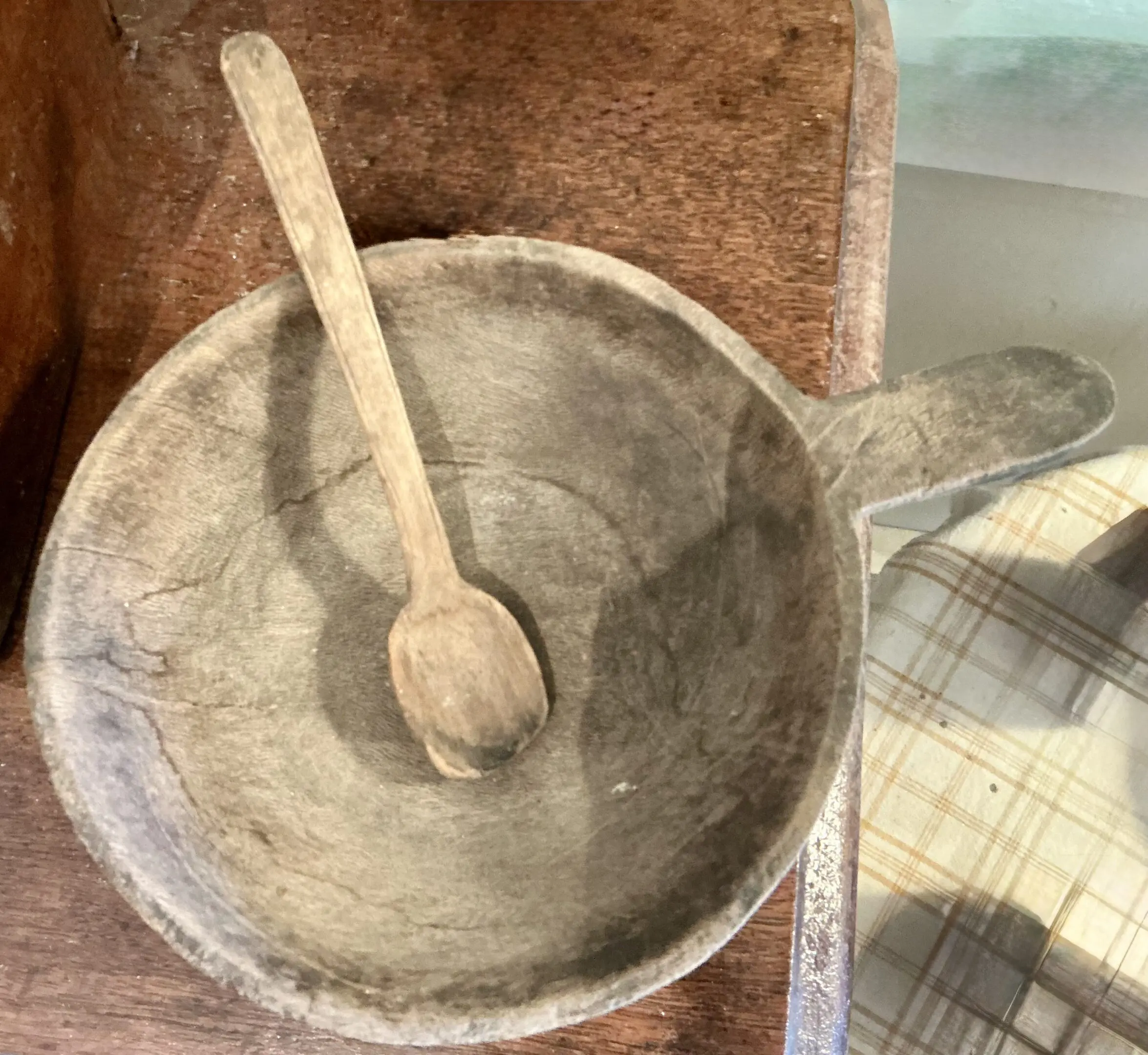
Large wooden plate with wooden spoon used as a communal dish.
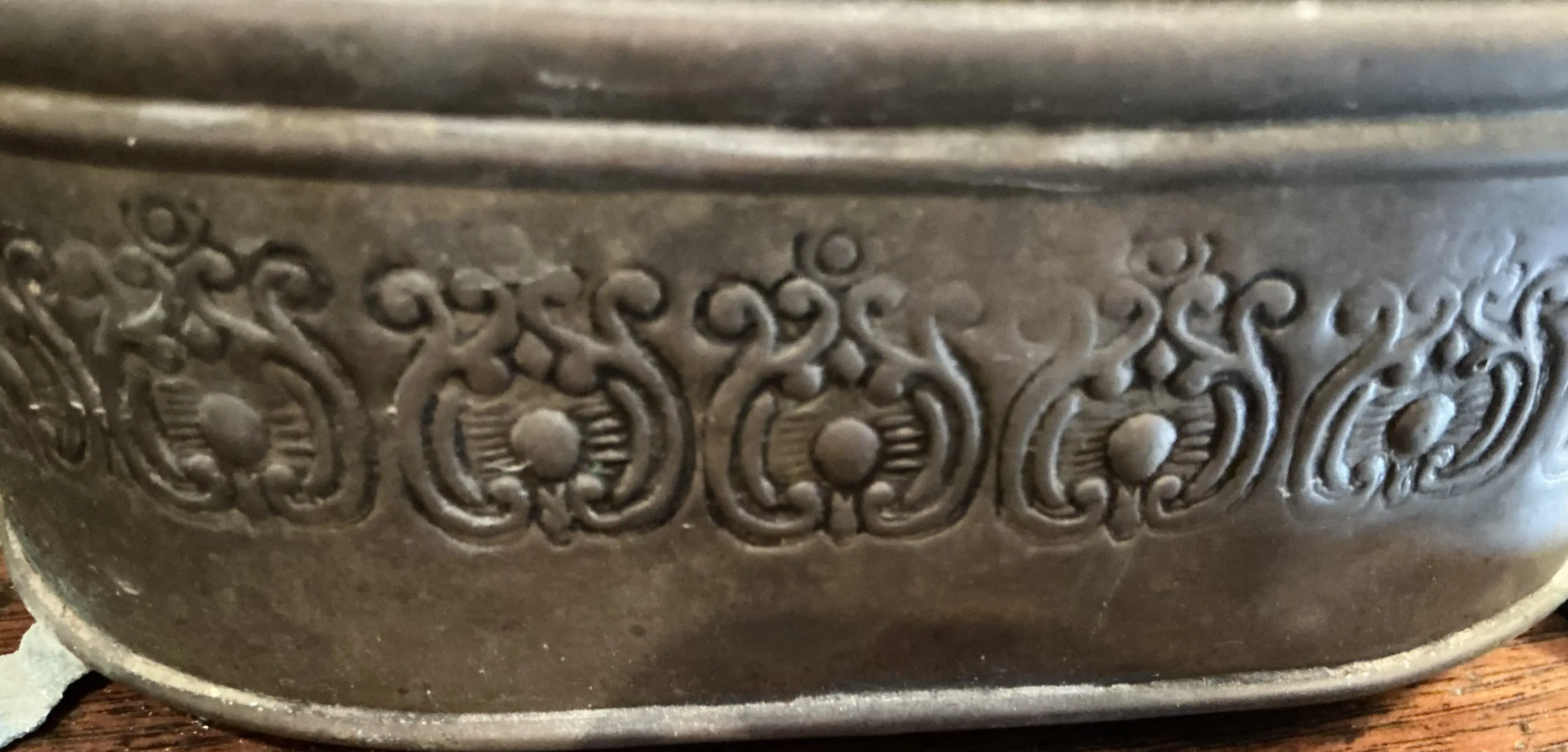
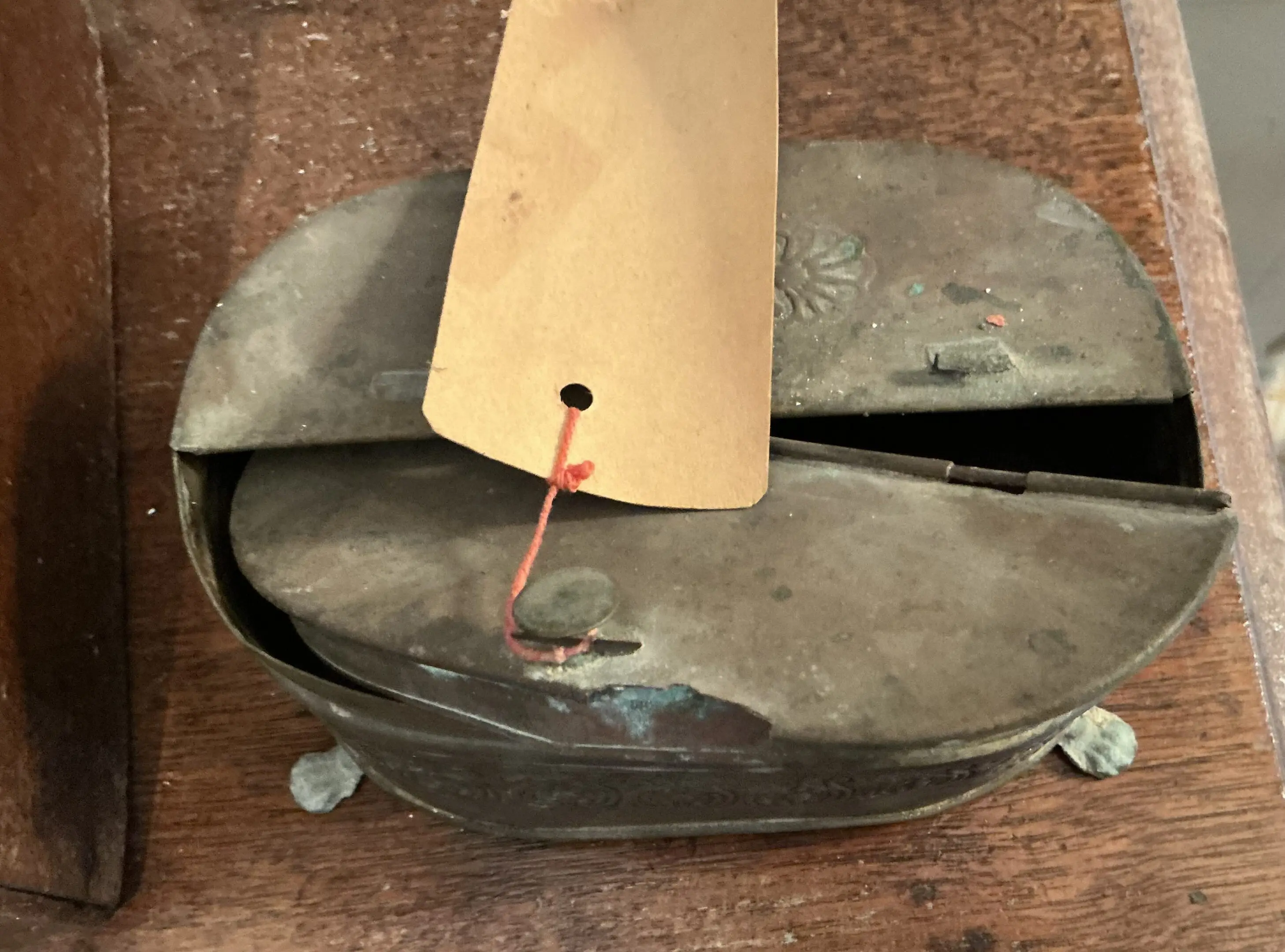
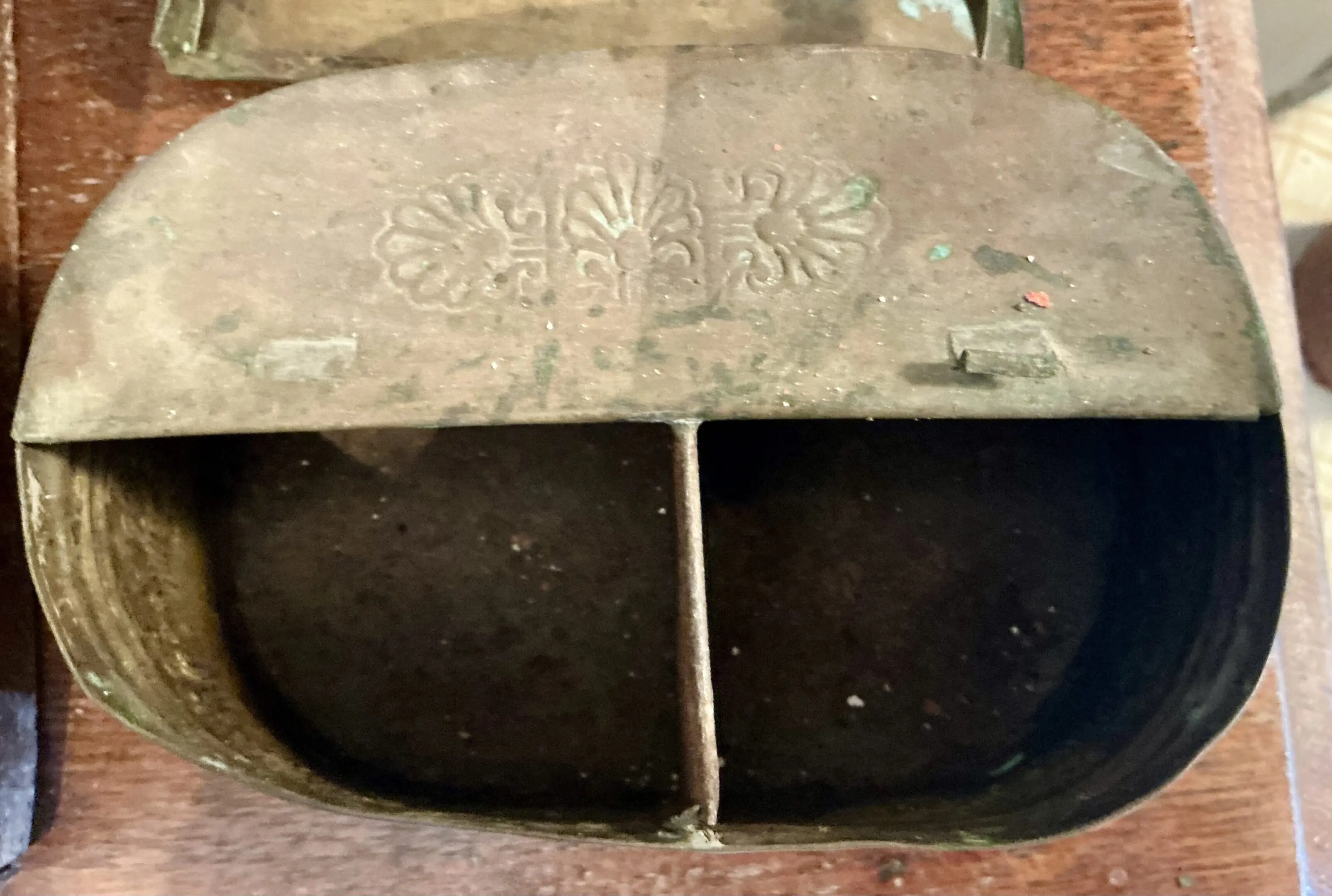
Container for coffee and sugar.
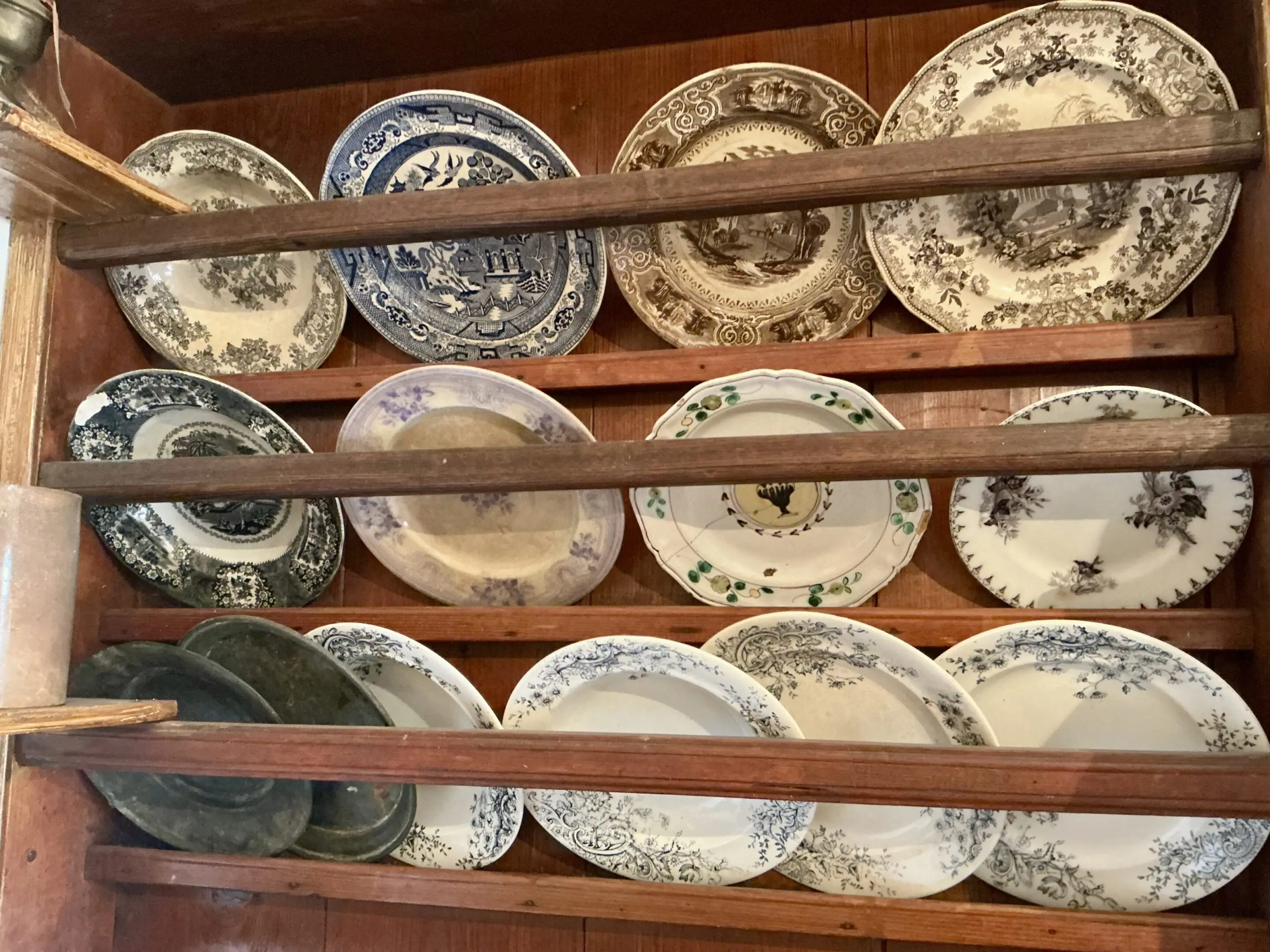
Dishes in dish rack.
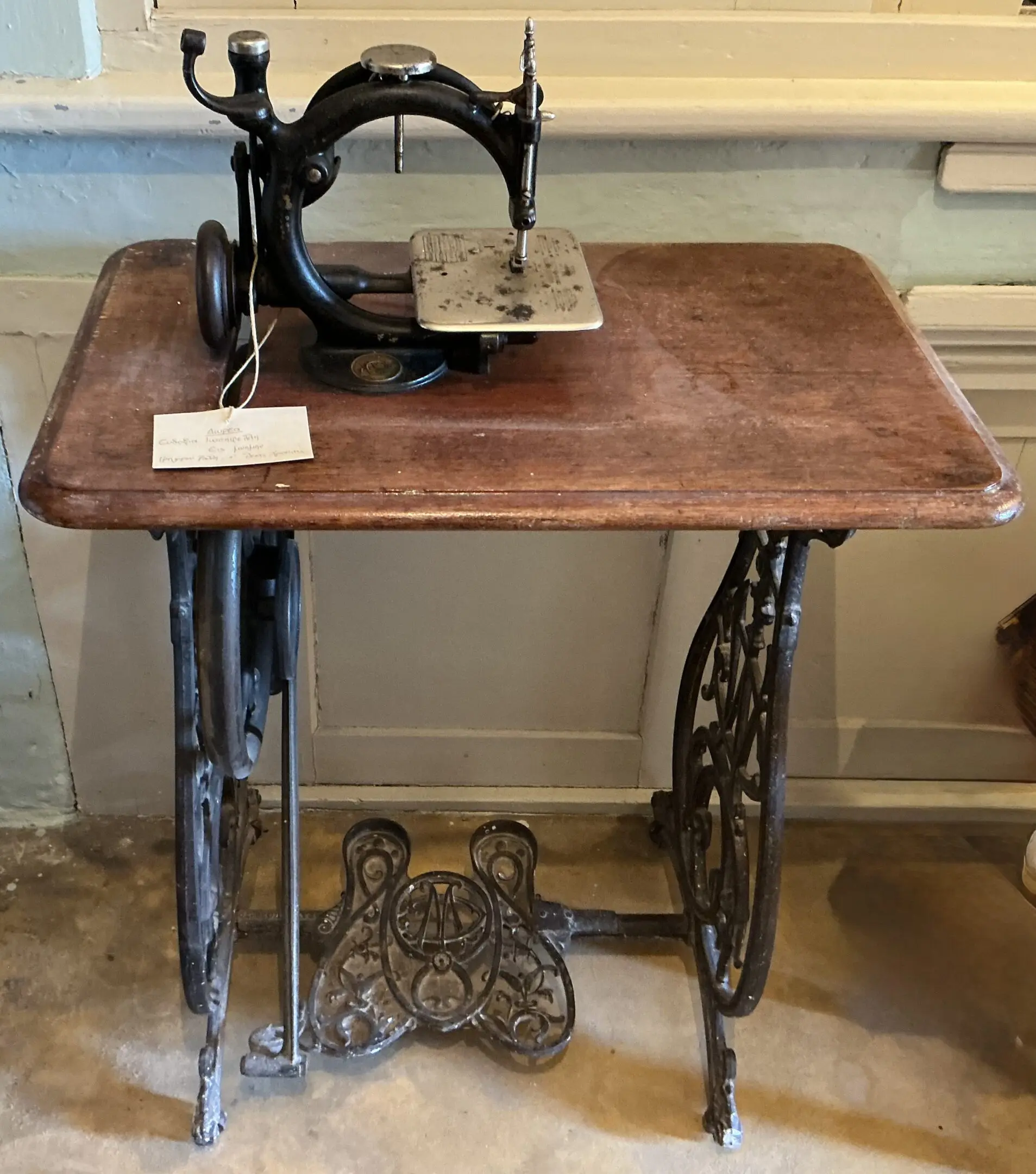
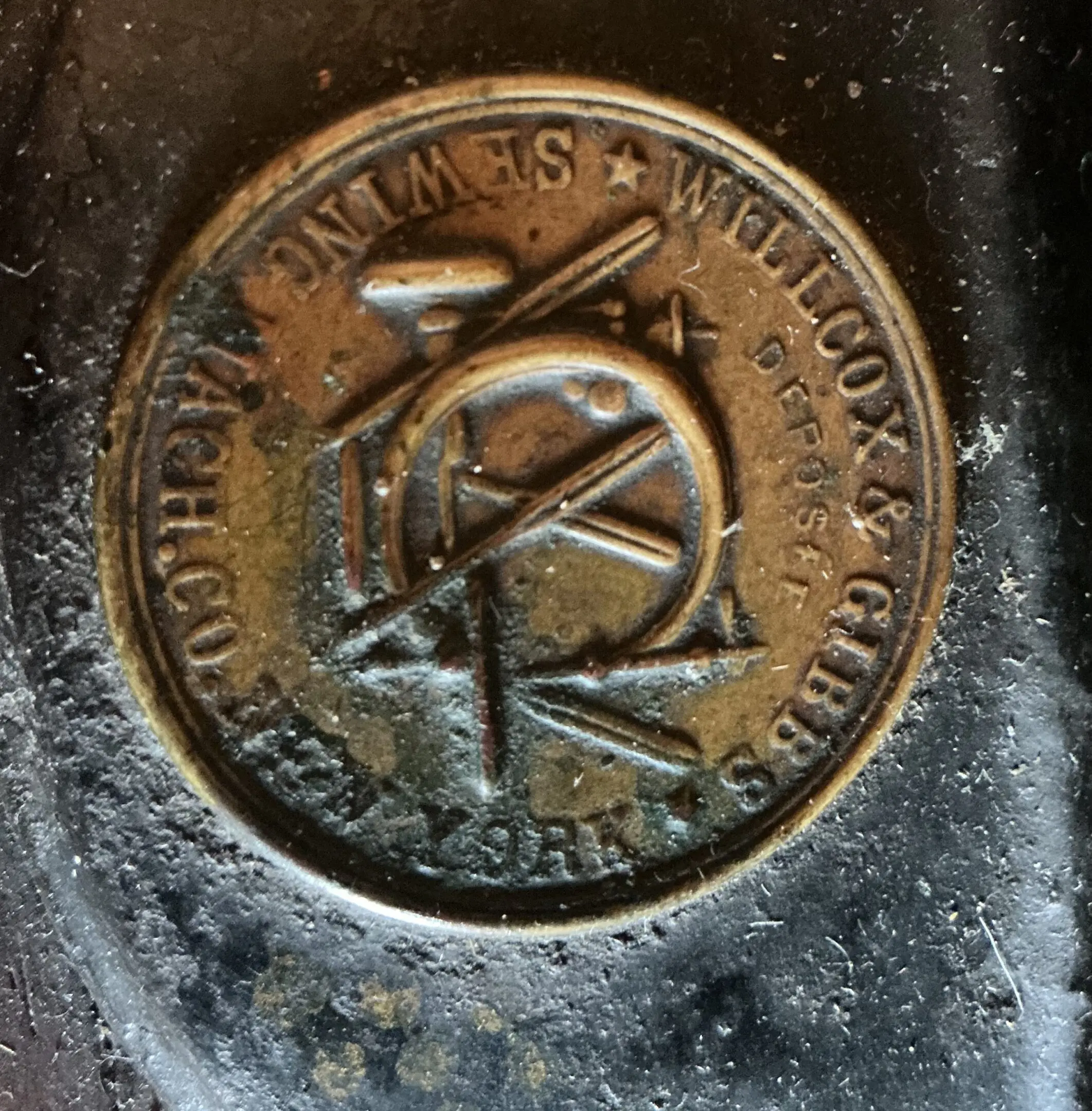
Wilcox & Gibbs sewing machine on sewing machine table.
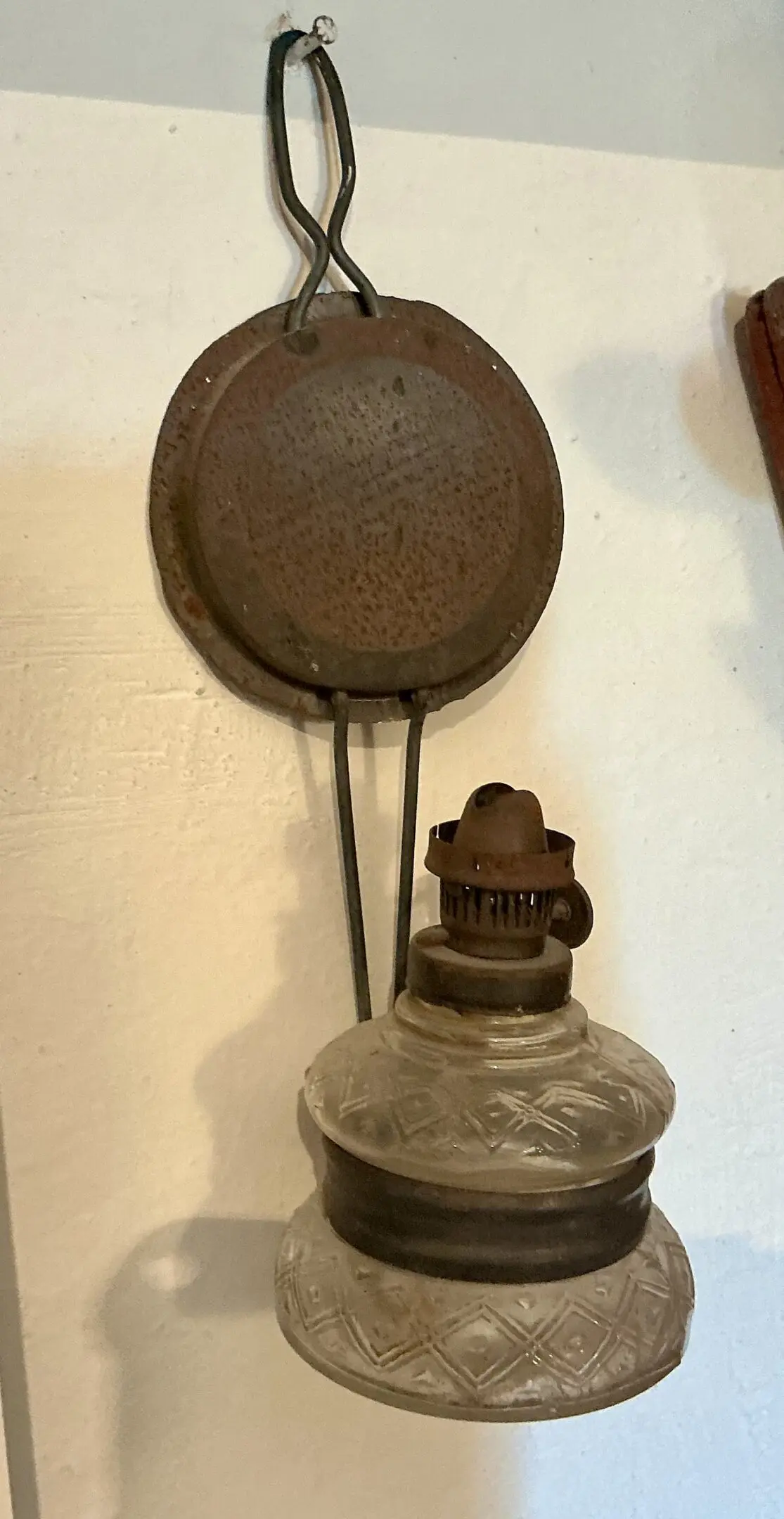
An oil lamp with "fytili" (wick) for lighting the home. Missing is a glass piece that would have been fitted on top to protect the flame. Oil was used before petroleum in lamps. Electricity came to Mesotopos in 1965.
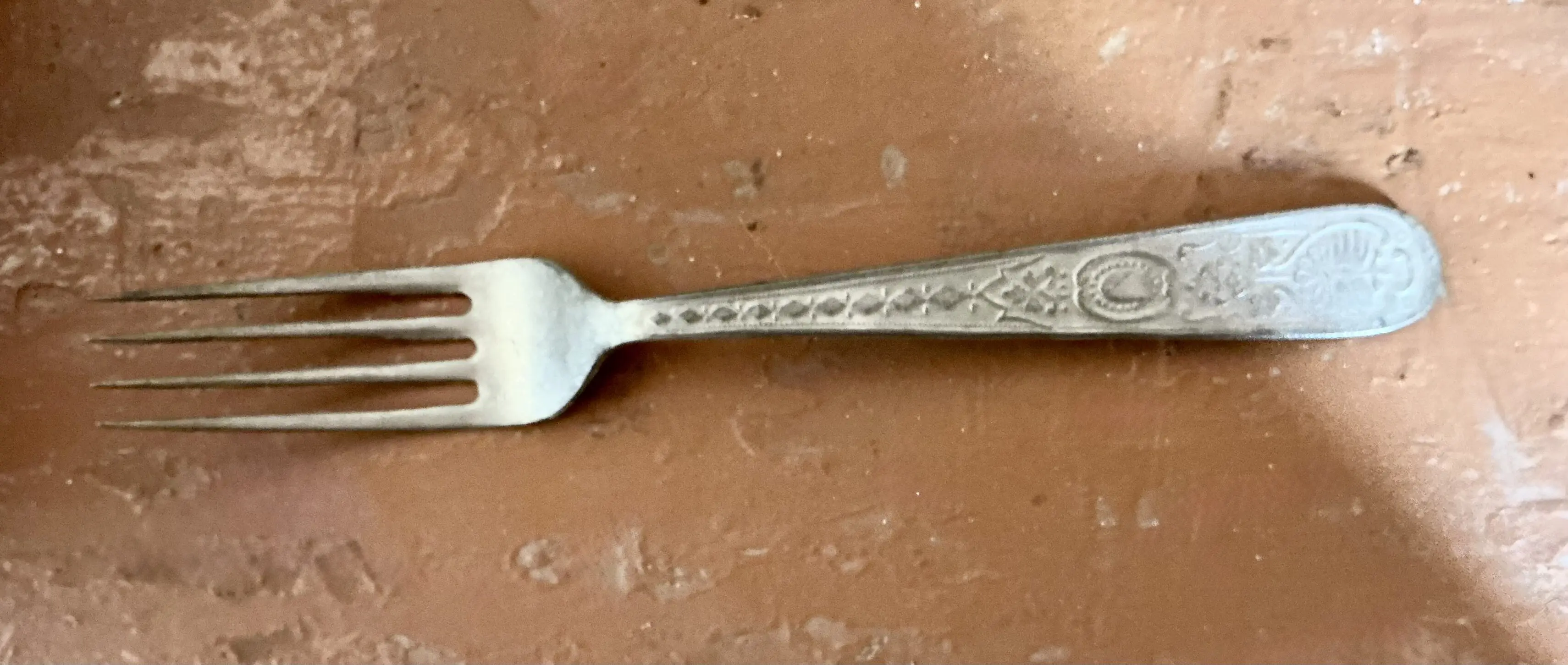
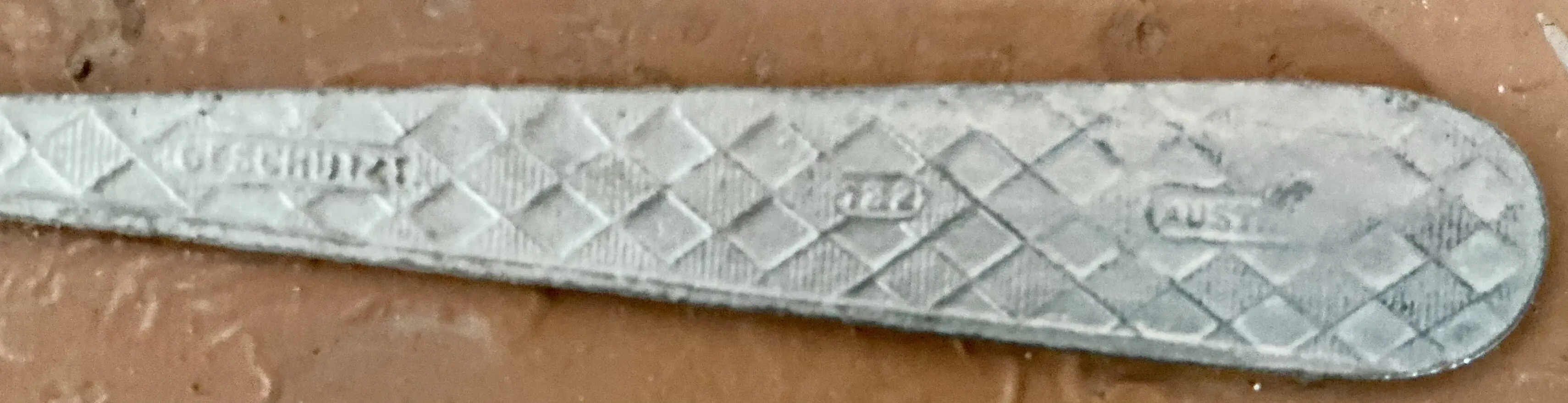
Food fork patented and made in Austria.
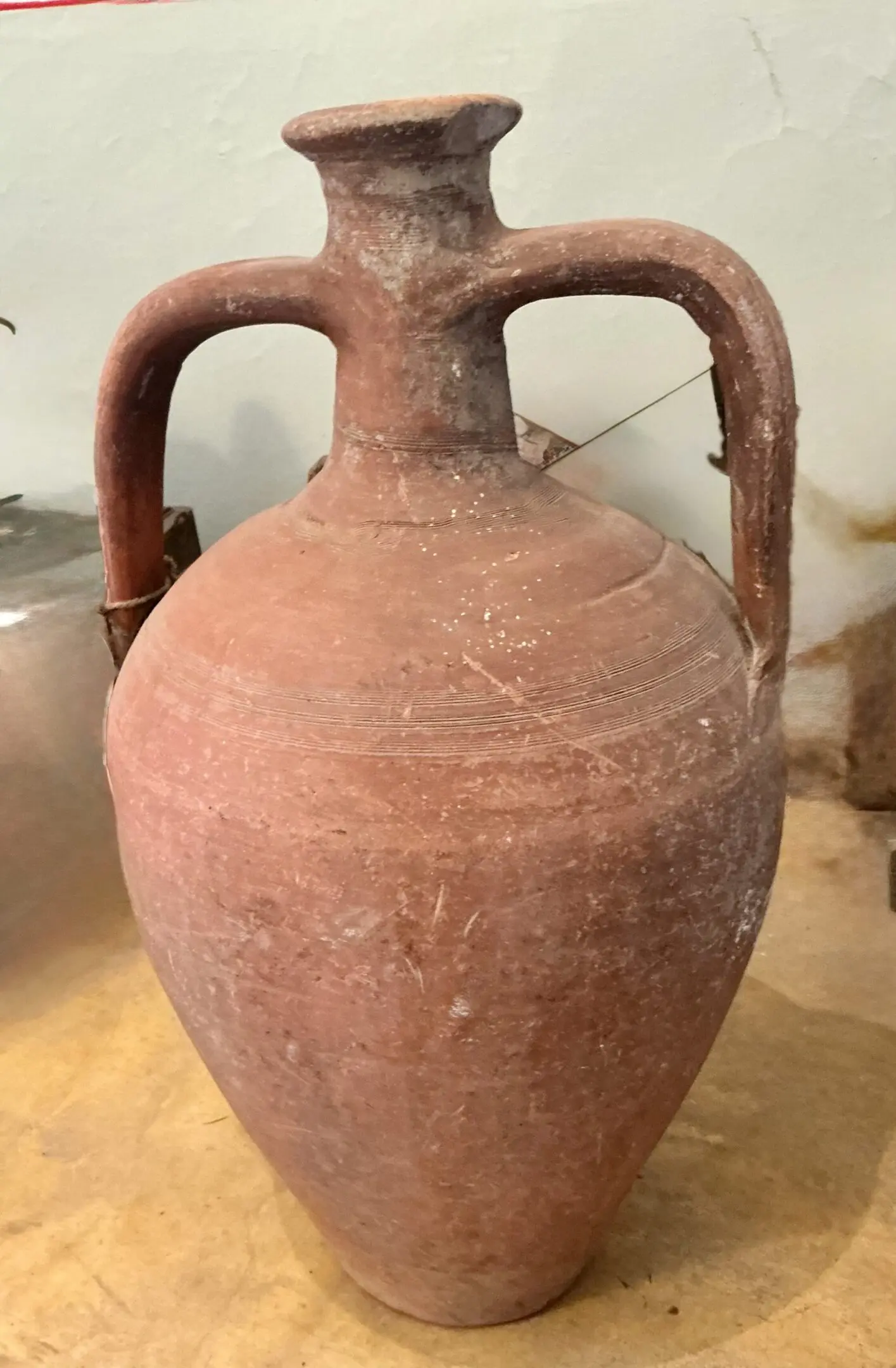
Kumari
Pitcher for pouring water.
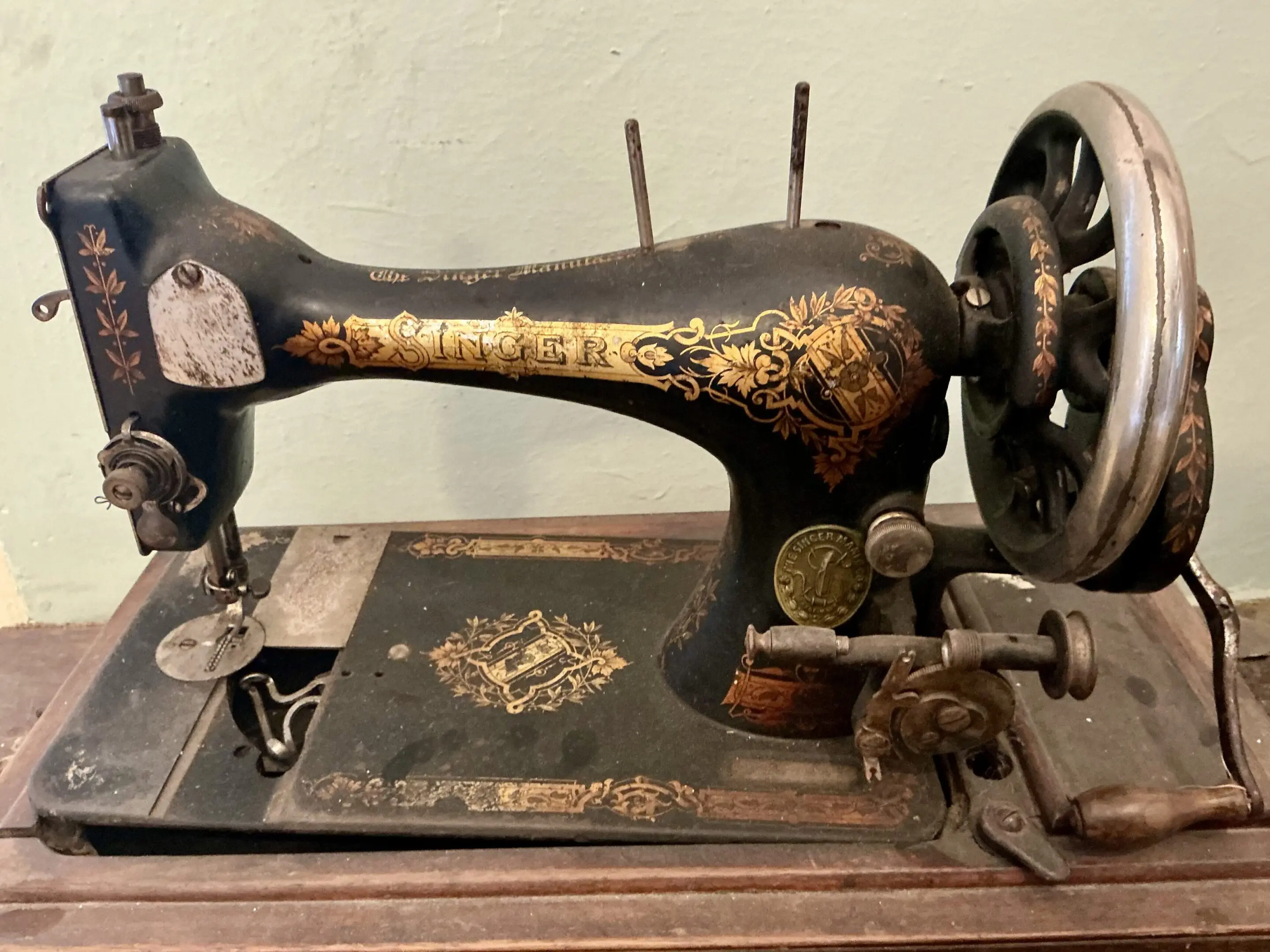
Singer sewing machine.
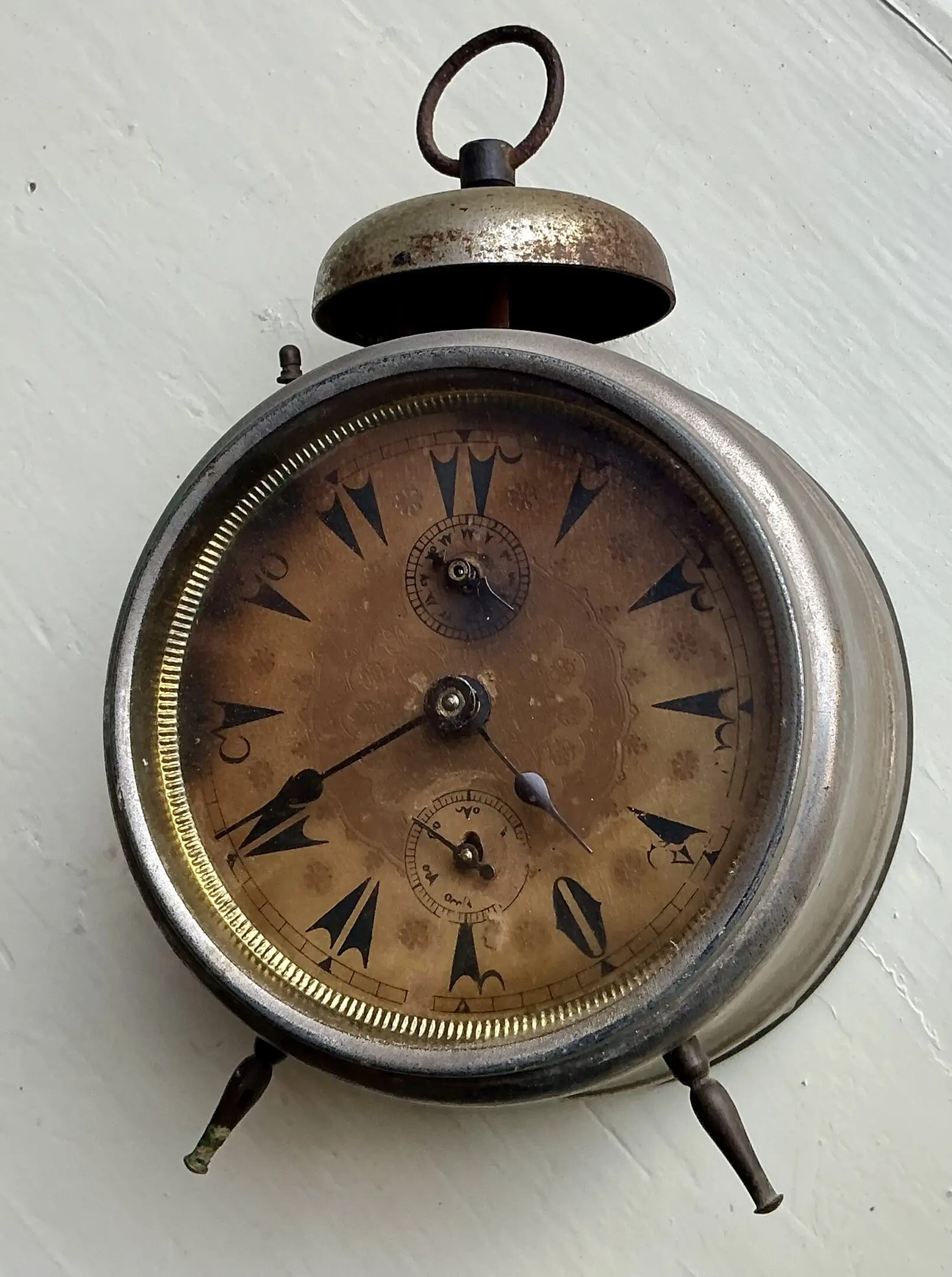
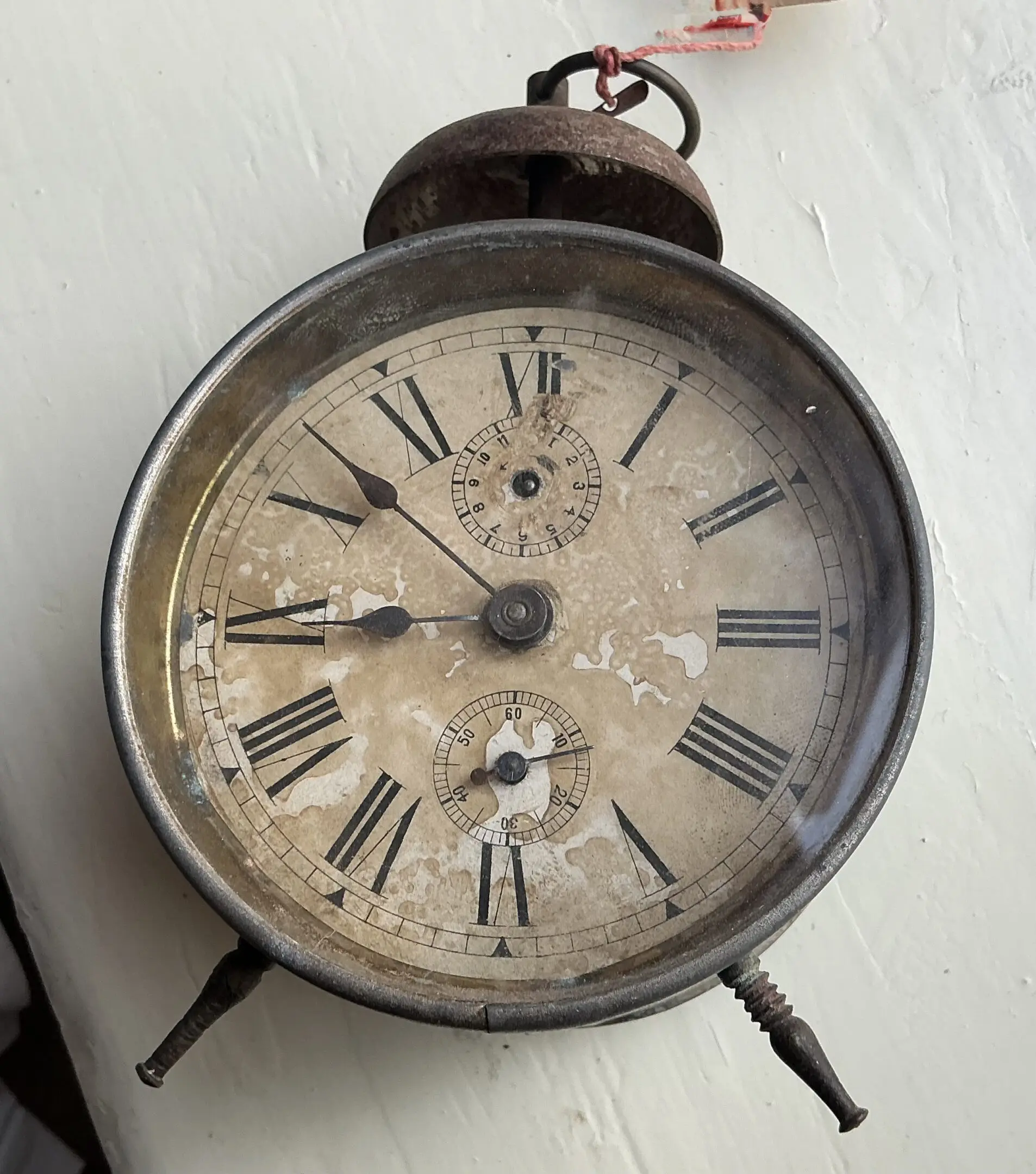
Old house alarm clocks.
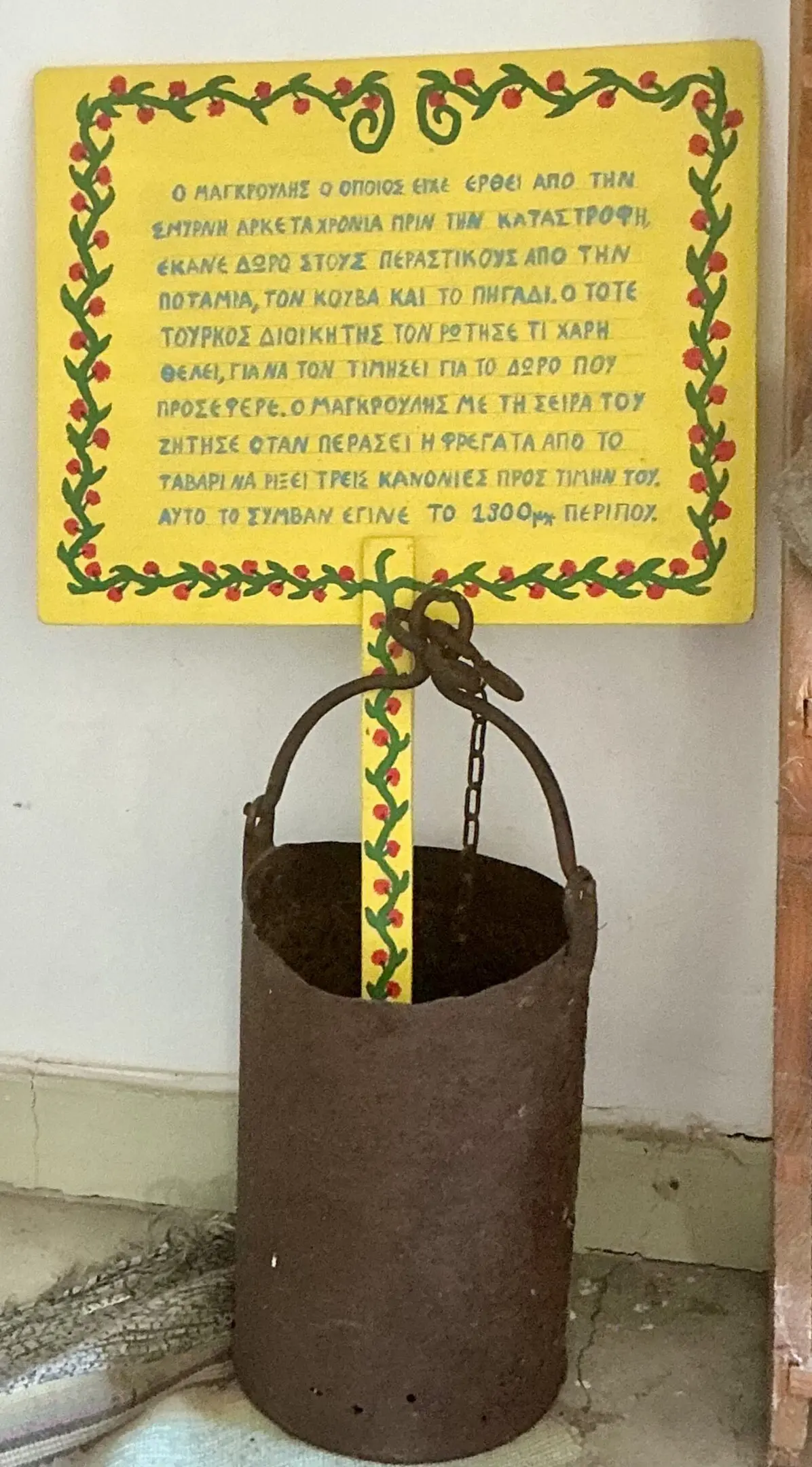
An iron bucket that was used in a well in Potamia, a rural location north of Tavari. Both the well and bucket were donated by Magroulis in 1900 to passersby for drinking water.
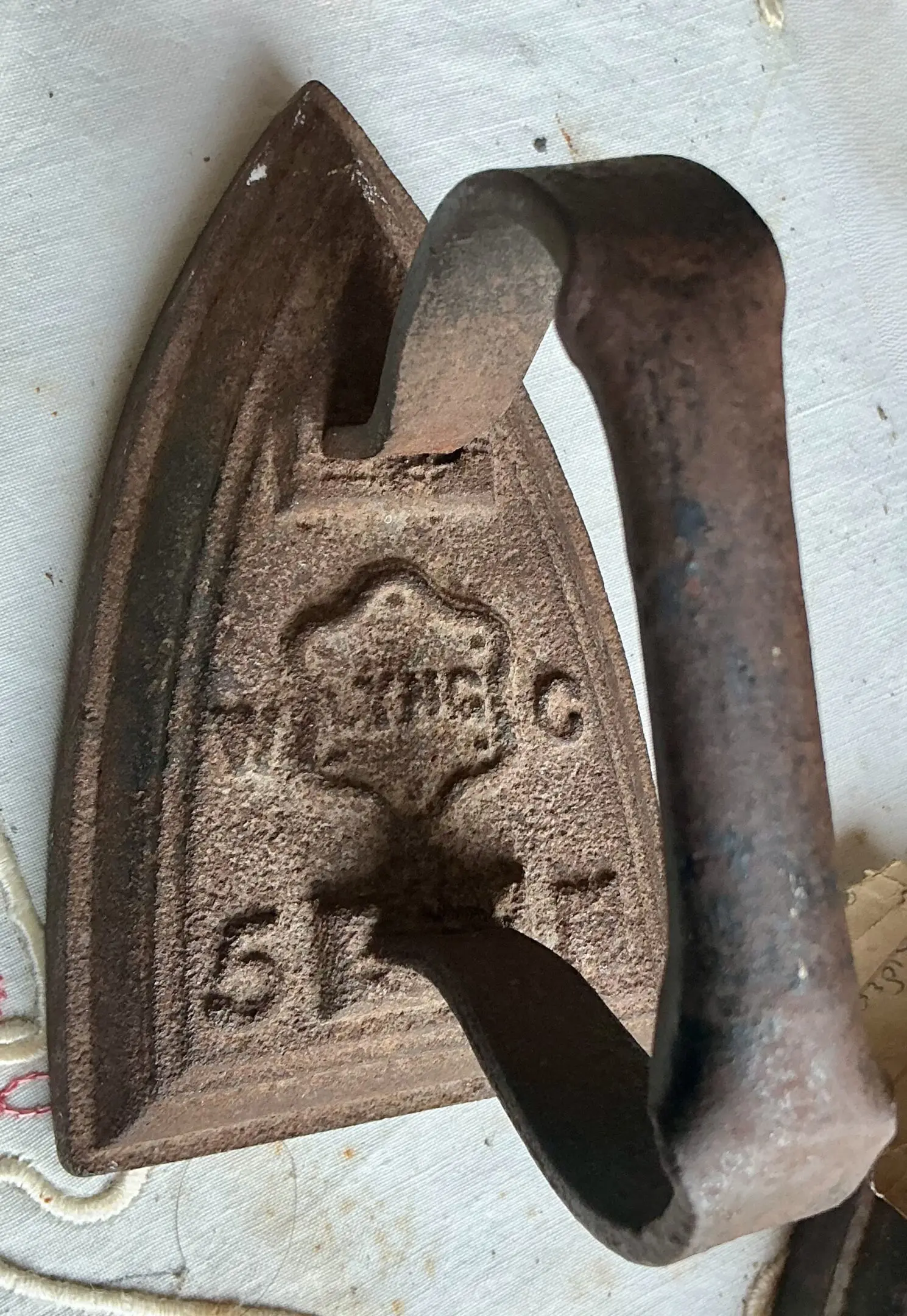
Iron without coals. Heated by placing bottom in fire.
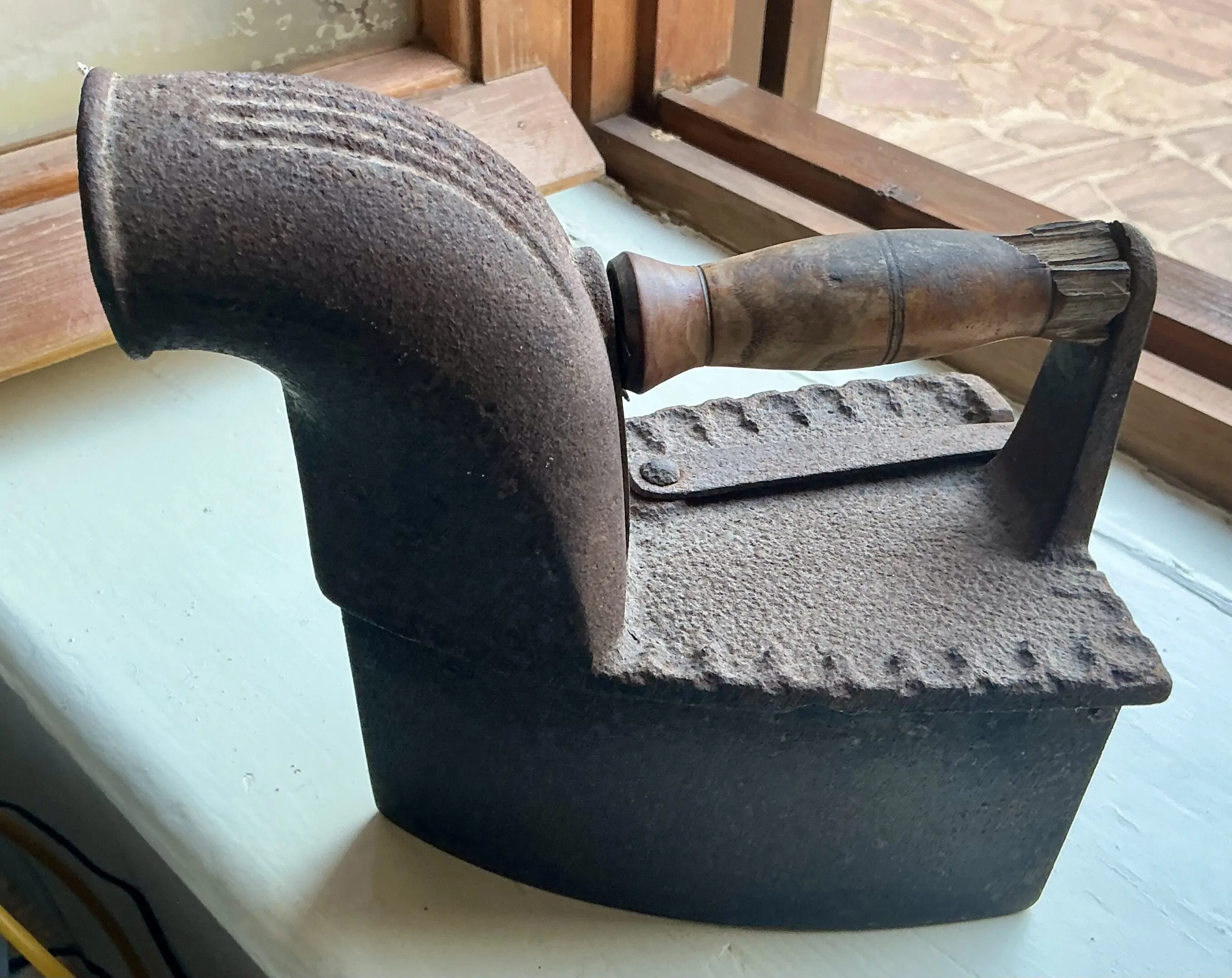
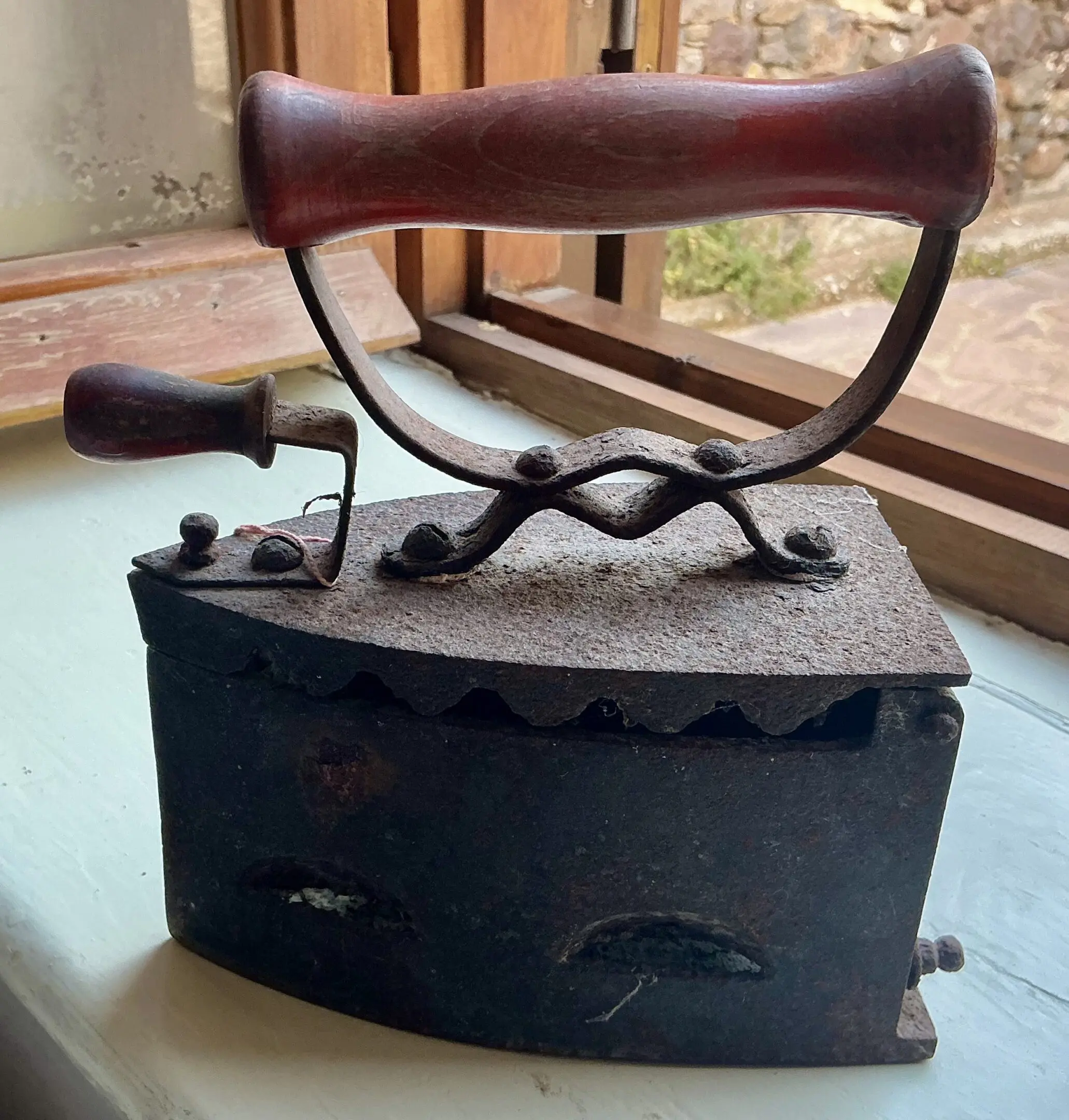
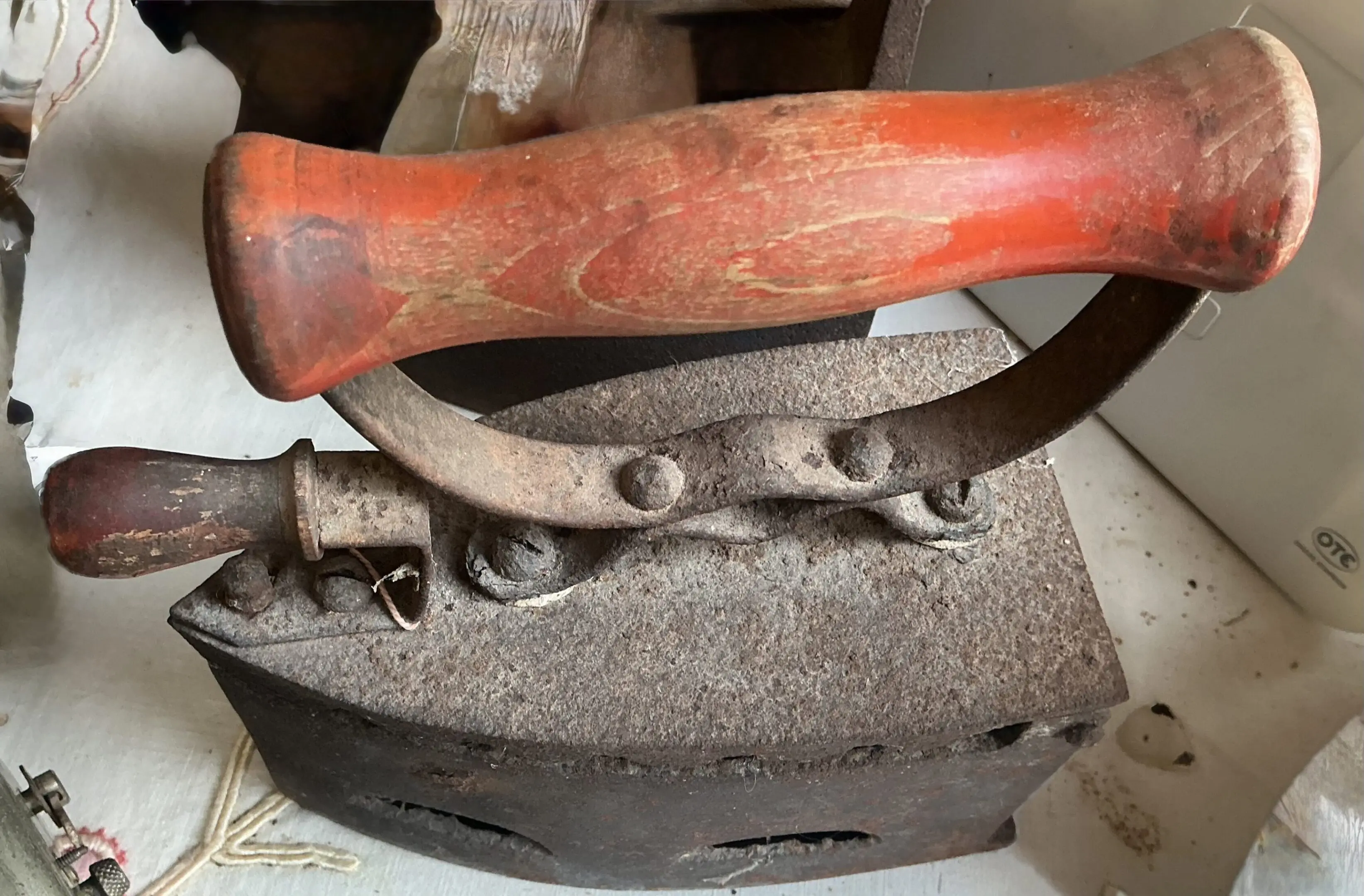
Irons with containers for coal.
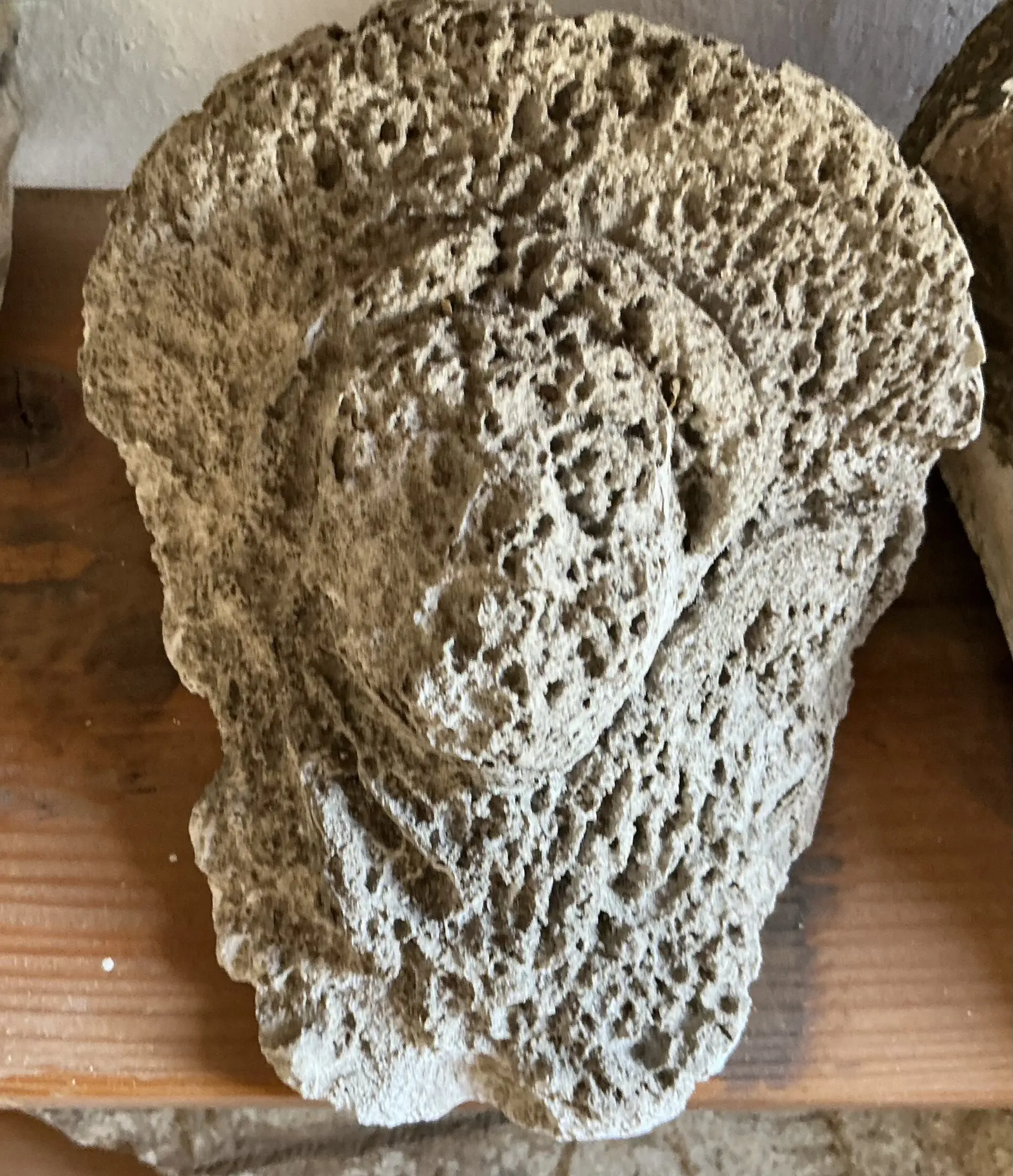
Plaster lamp holder.
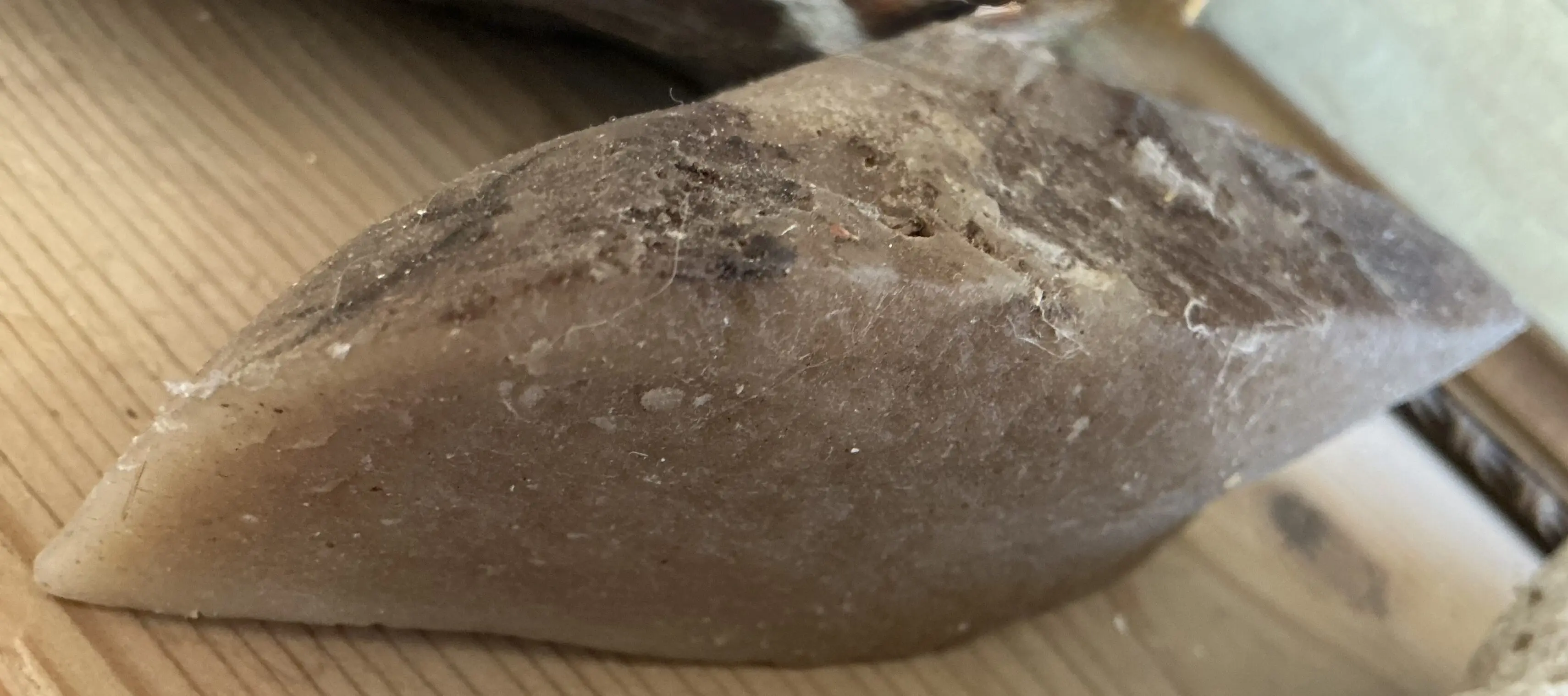
Tsiri
in the local Mesotopiko dialect. A piece of formed beeswax.
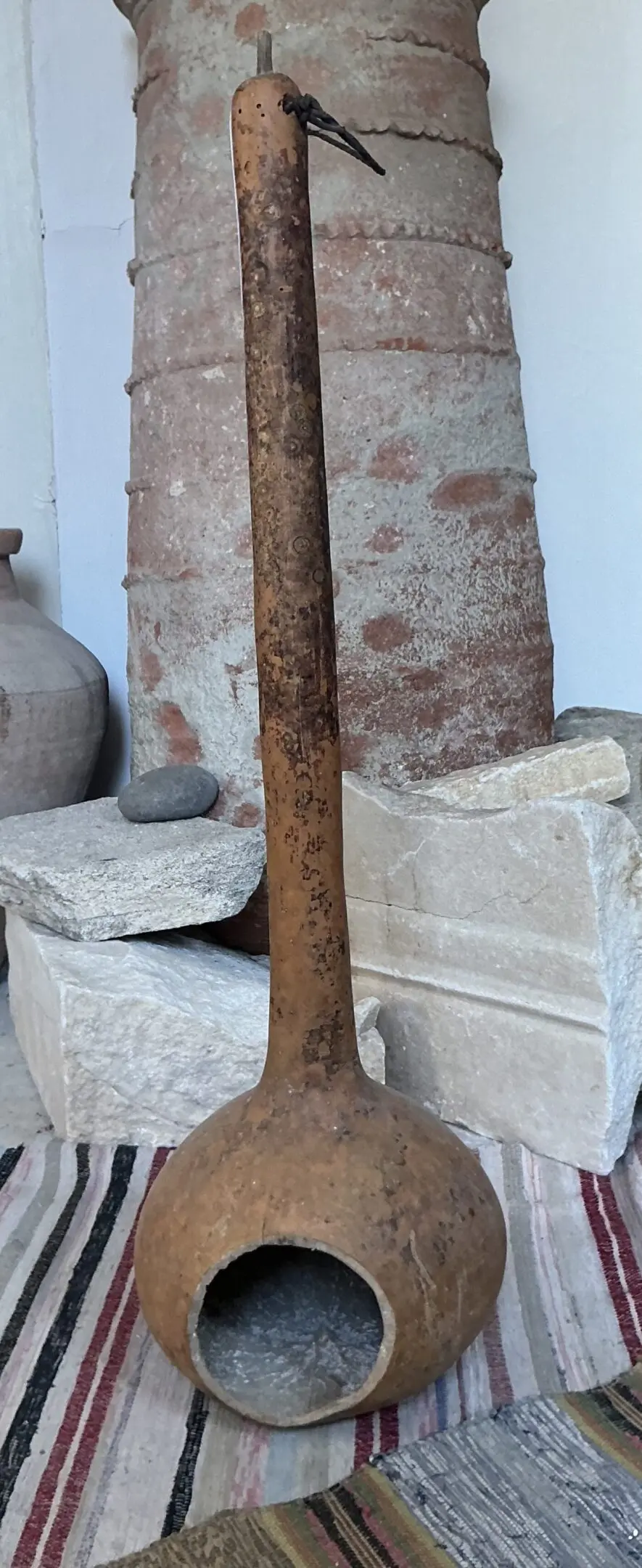
Mtach
in the Mesotopiko dialect. An old tool used to transport liquids.